|
|
| Masters of Haitian Art

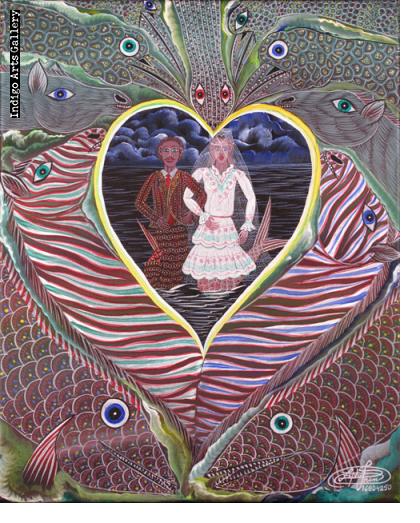
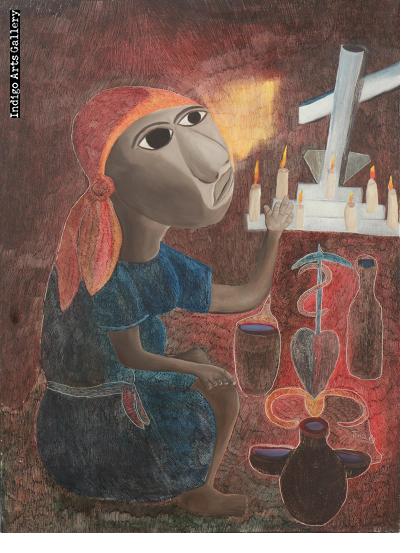
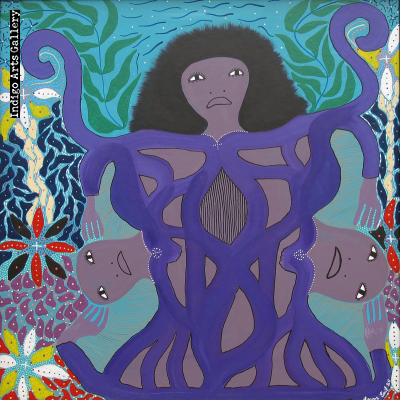
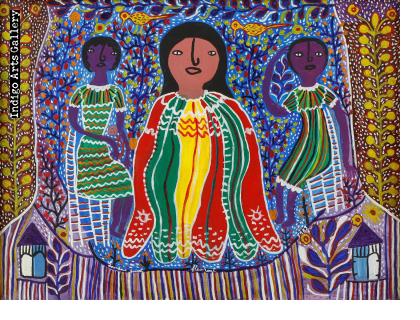
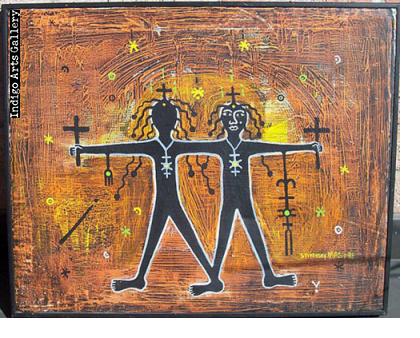
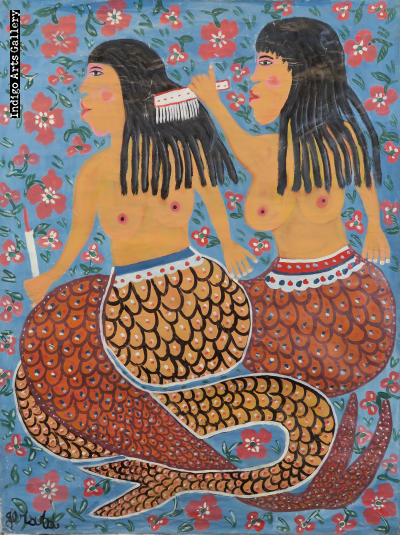
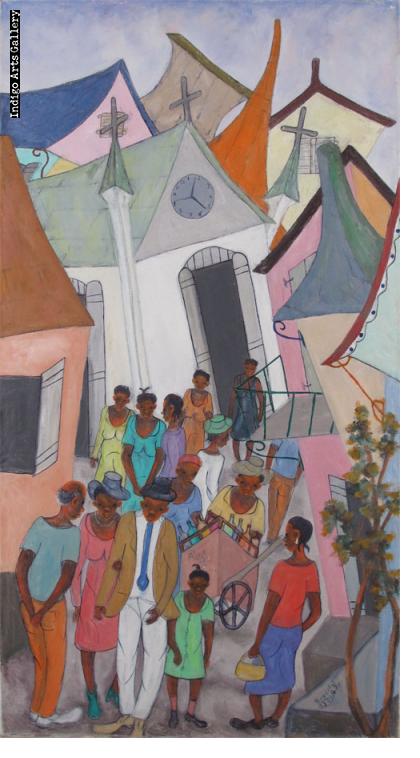
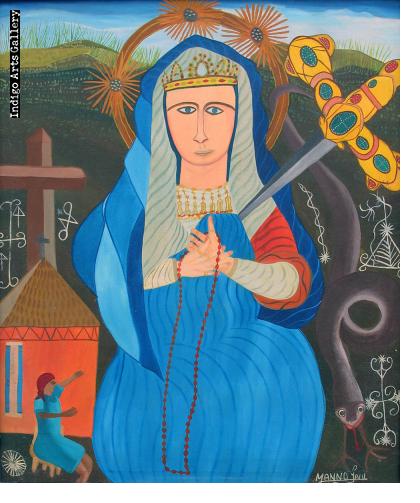
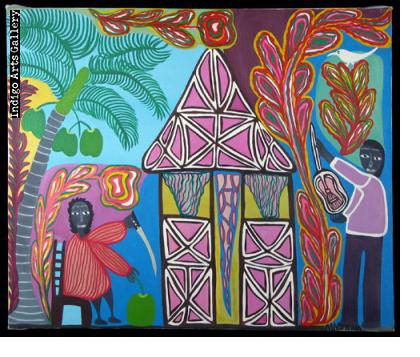
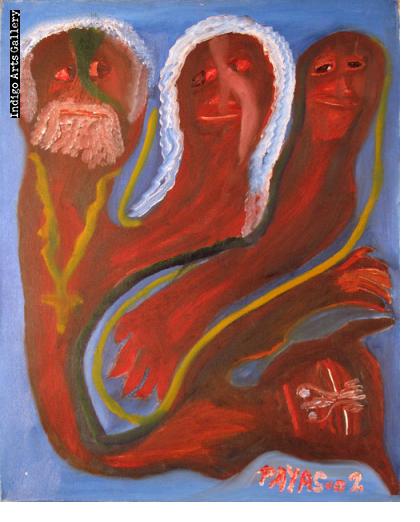
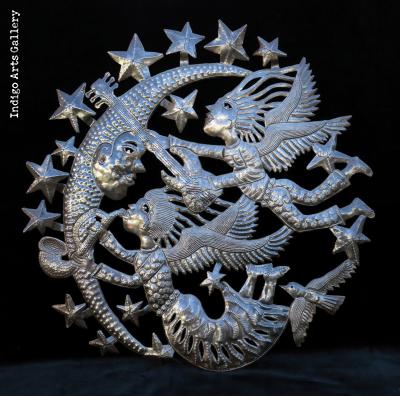
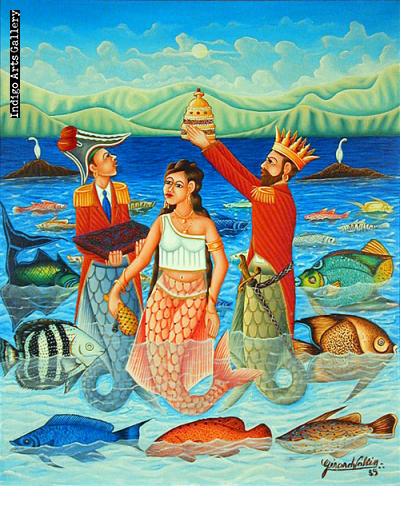
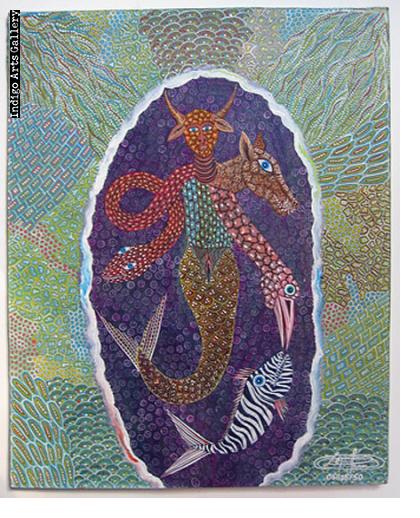
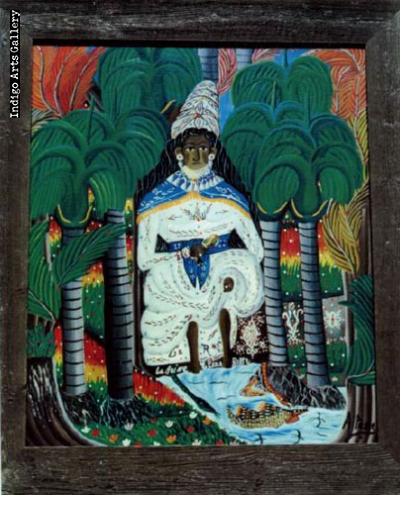
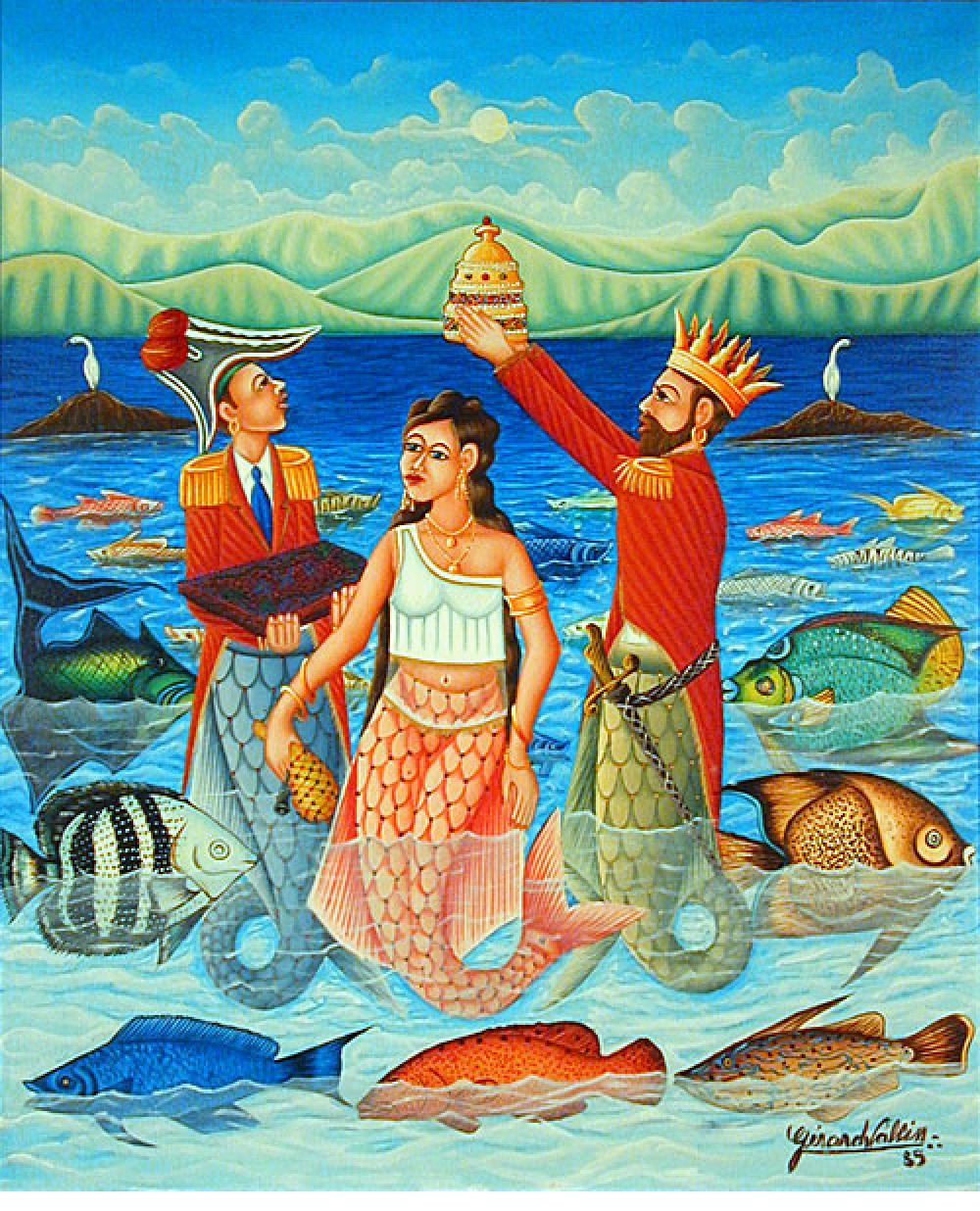
La Sirene
Gerard Valcin (Haiti, 1923-1988)
Oil on canvas (20 x 24), c. 1985
SOLD
|
 |
|
|
|
|
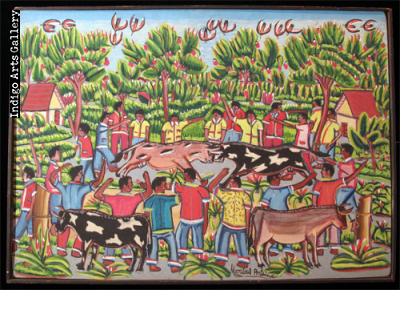
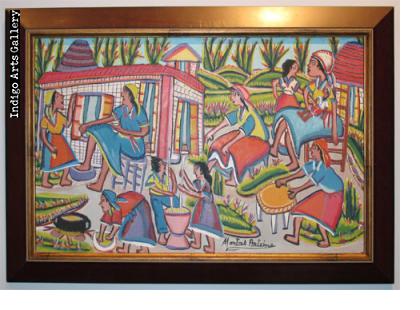
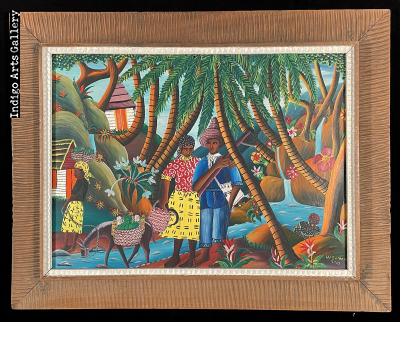
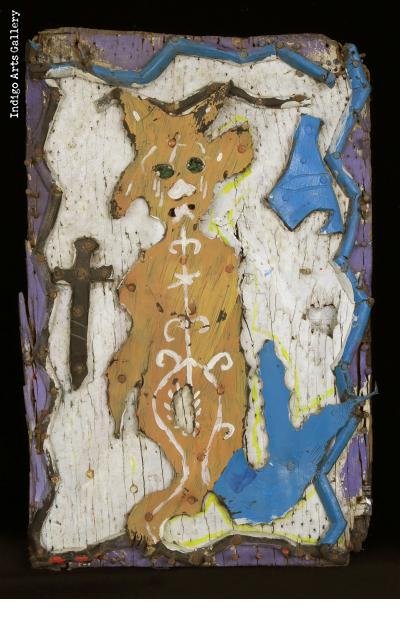
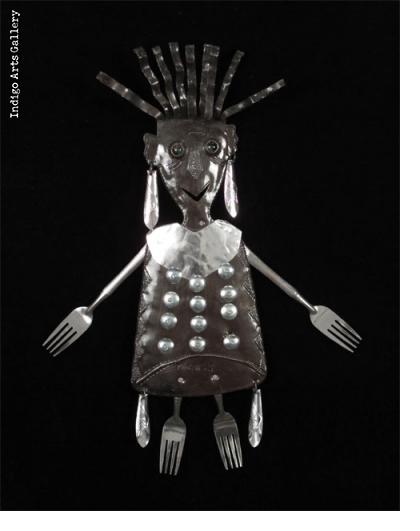
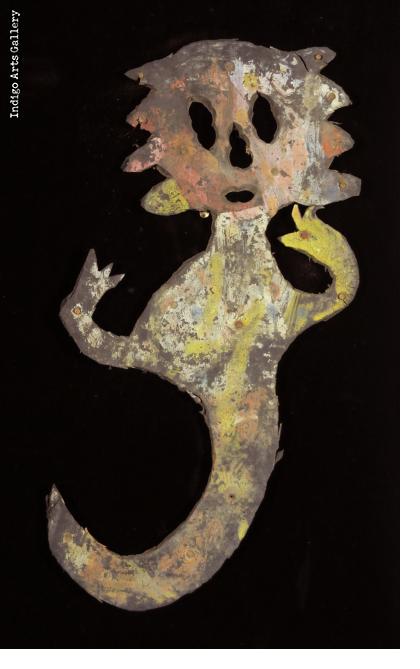
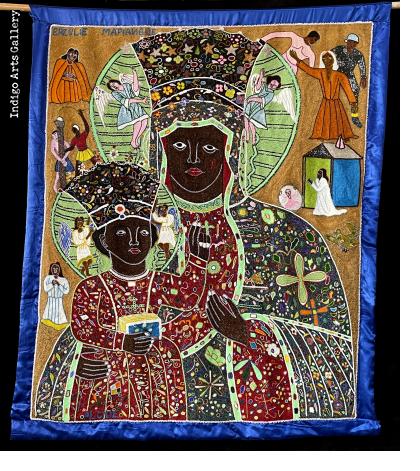
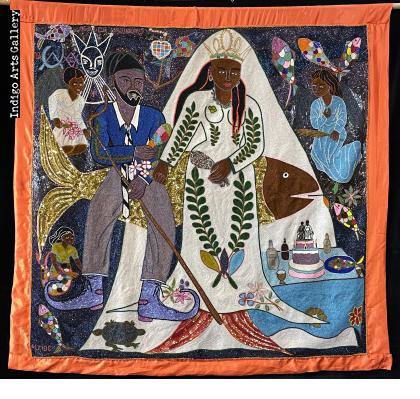
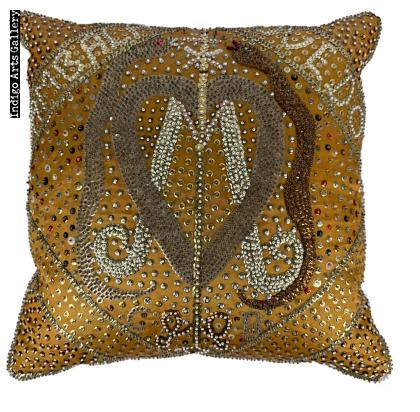
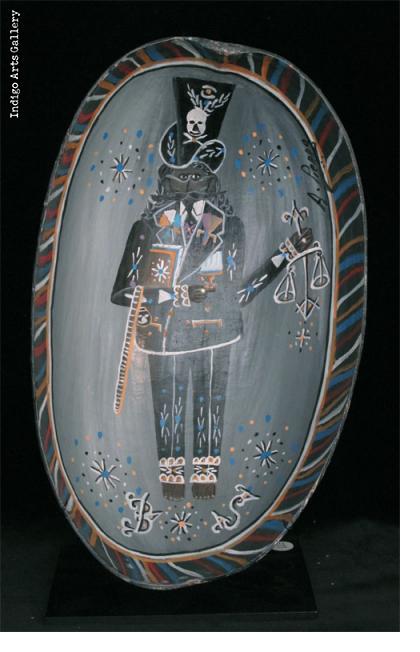
Paintings, Sculpture and Vodou Banners by Montas Antoine, Gabriel Bien-Aimé, Wilson Bigaud, Gelin Buteau, Myrlande Constant, G.E. Ducasse, Gerard Fortuné, Alexandre Gregoire, Serge Jolimeau, Dieuseul Paul, Gerard Paul, Andre Pierre, Micius Stephane, Yves Telemac, Gerard Valcin, Pierre-Joseph Valcin, George Valris, and others.
Show Dates: May 7 to September 24, 2004
Opening Receptions: First Friday, May 7 and June 4, 5 to 9 pm.
Gallery Hours: Monday - Saturday, 11 - 6:30 pm,
Sunday, 12 to 6:00pm,
Location: Indigo Arts Gallery, 151 N. 3rd St. (2nd Floor)
Old City, Phila. PA 19106 215-922-4041
Web exhibit at: www.indigoarts.com
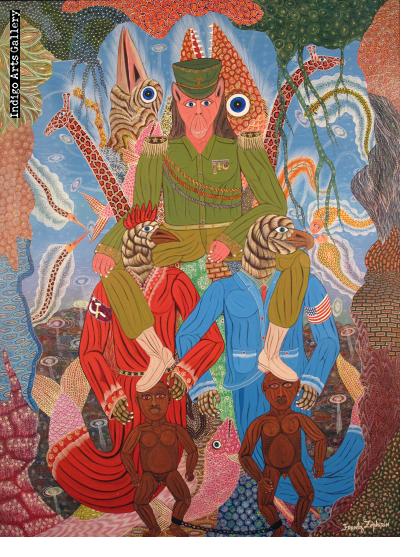
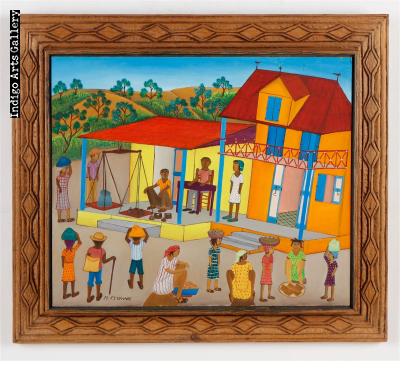
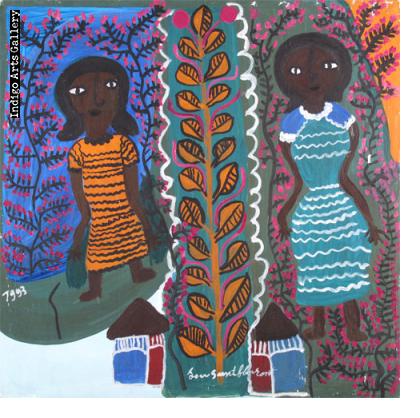
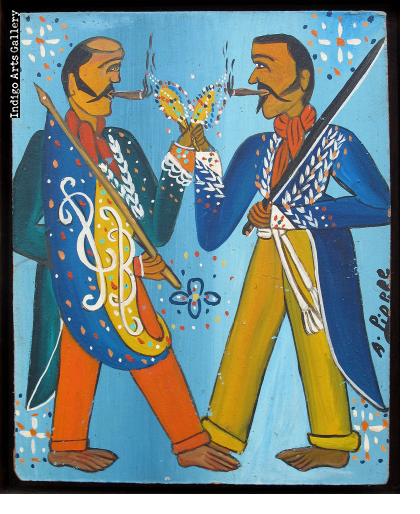
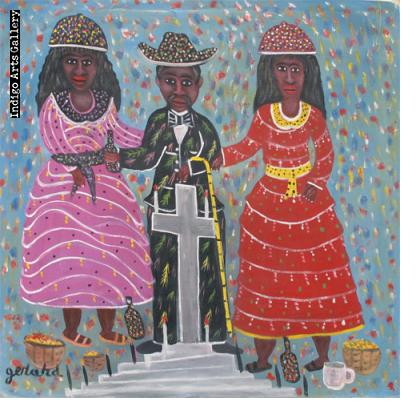
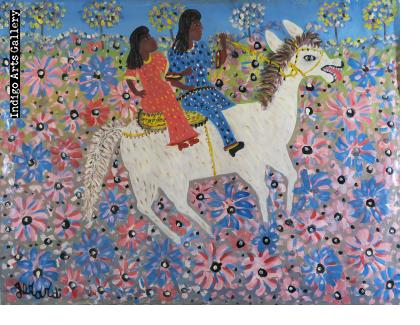
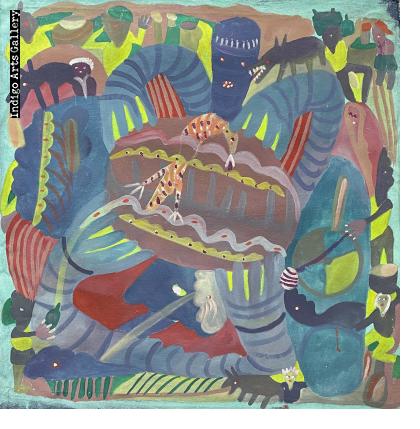
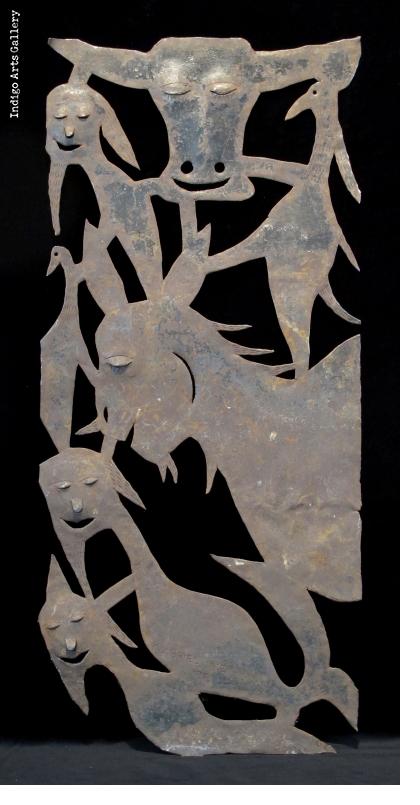
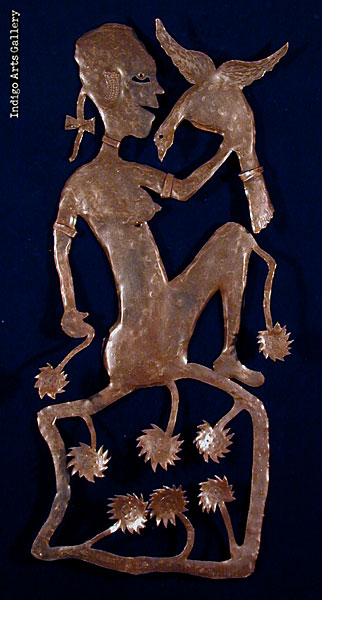
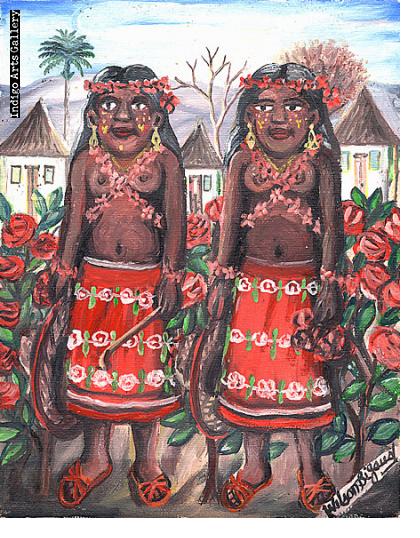
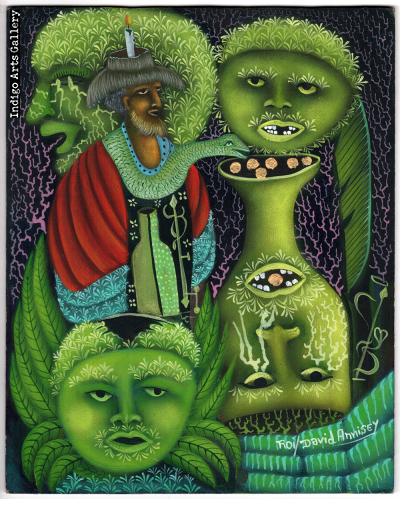
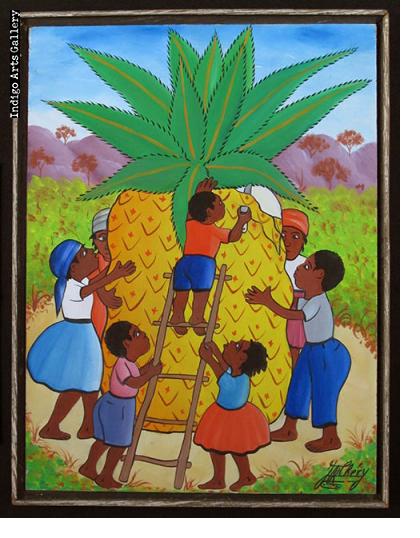
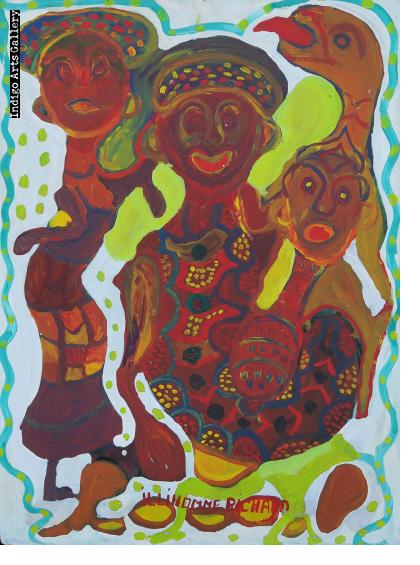
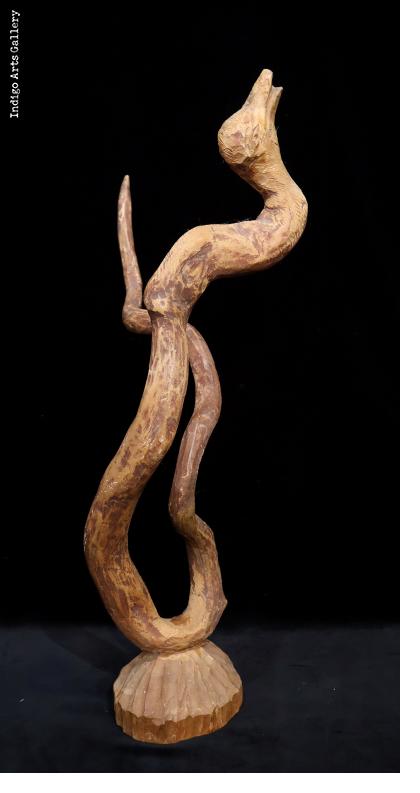
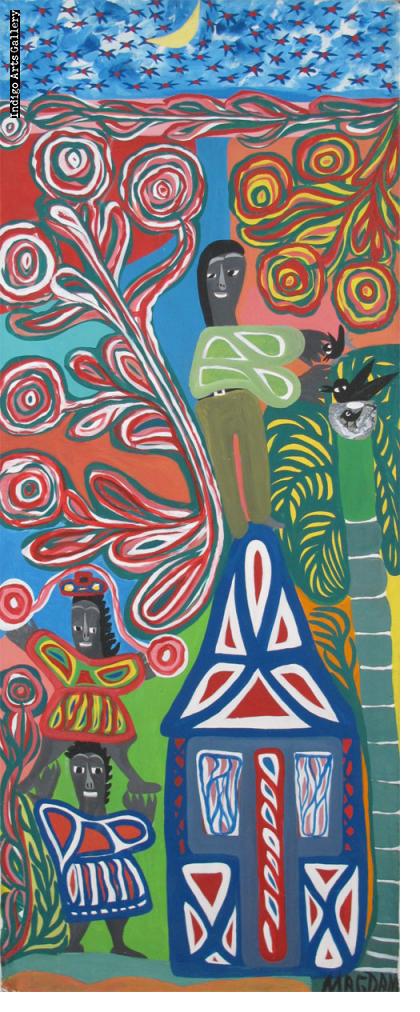
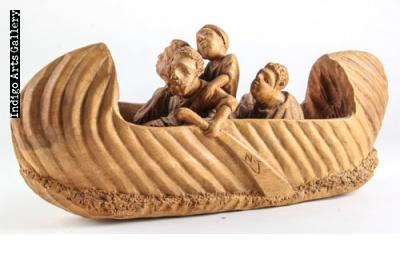
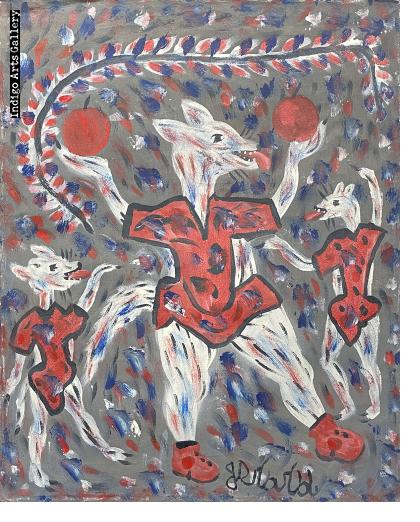
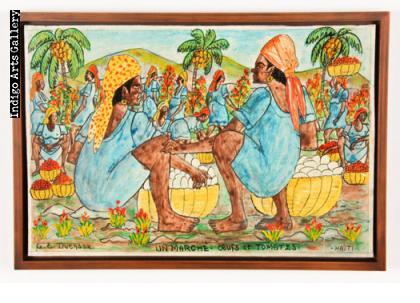
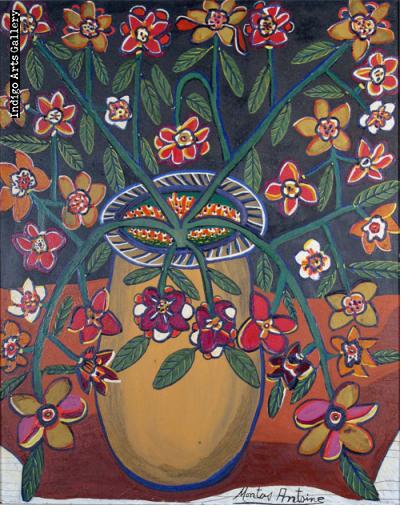
In commemoration of the 200th Anniversary of Haitis independence as well as the 60th anniversary of Port-au-Princes Centre dArt, Indigo Arts Gallery presents Masters of Haitian Art. In a time of political turmoil and great deprivation in Haiti, we pay tribute to the incredibly rich cultural and artistic heritage of the Black Republic with an exhibition of some of Haitis leading artists of the last sixty years. Artists represented include painters Montas Antoine, Wilson Bigaud, Gelin Buteau, G.E. Ducasse, Gerard Fortuné, Alexandre Gregoire, Dieuseul Paul, Gerard Paul, Andre Pierre, Micius Stephane, Gerard Valcin, Pierre-Joseph Valcin, sculptors Gabriel Bien-Aimé and Serge Jolimeau, and vodou banner artists Myrlande Constant, Sylva Joseph, Eviland Lalanne, Yves Telemac, and George Valris.
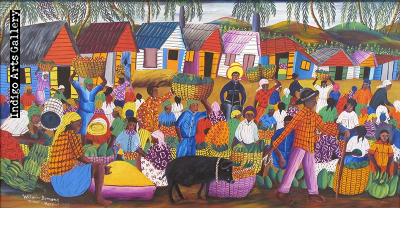
The modern movement in Haitian art, often referred to as the Haitian Renaissance, arose in the 1940s. More precisely it can be dated to May 14th, 1944 (sixty years to the day at this writing), when DeWitt Peters, an American painter then teaching in Haiti opened an art center, Le Centre dArt, in an old house in the center of Port-au-Prince. The Centre provided exhibition space and art instruction for the full range of Haitian artists - from completely untrained peasant artists to educated artists of the Haitian elite. The first exhibition was of twenty-five trained artists, but increasingly the center drew artists who were completely self-taught and worked in the 'naive' style for which Haitian art was to become known.
The first of the naive Haitian artists to bring his work to the Centre was Philomé Obin, who had actually been painting images of Haitian history and life in his home town of Cap Haitien since 1908! Certainly the most celebrated of Haitian artists was the hougan (vodou priest) Hector Hyppolite. He attracted Peters' notice in 1943 for the intriguing paintings on the doors of a roadside bar prophetically named "Ici la Renaissance" in the seaside village of Montrouis. Other notable early members were Rigaud Benoit, Wilson Bigaud, Prefete Duffaut, Micius Stephane, Montas Antoine and Castera Bazile. The Centre dArt was an immediate critical, if not financial, success. It has weathered the many storms of Haitis politics and history and continues to show challenging and original work to this day. A number of the paintings in this exhibit, and many of the artists were first shown at the Centre dArt.
|


Members of Le Centre d'Art watch as Cap Haitien artist Philome Obin paints. Director DeWitt Peters stands behind Obin. Hector Hyppolite stands second from right.
Port-au-Prince, late 1944. (photograph from Le Centre d'Art, reproduced from Haitian Art: The Legend and Legacy of the Naive Tradition by L.G. Hoffman, Davenport Art Gallery, 1985) |


Hector Hyppolite, "the greatest of Haitian primitive painters", stands before a caille in Port-au-Prince, 1945. His brilliant and brief career ended with his death in 1948.
(photograph by Earl Leaf, Le Centre d'Art, reproduced from Haitian Art: The Legend and Legacy of the Naive Tradition by L.G. Hoffman, Davenport Art Gallery, 1985) |
 |
|
|
Without pretending to a comprehensive synopsis of modern Haitian art history, some other landmark events in modern Haitian art history are as follows:
1945 - The visits to Haiti by French surrealist Andre Breton with Cuban painter Wilfredo Lam, each of whom bought several paintings by Hector Hyppolite. While somewhat self-servingly claiming the Haitian artists as fellow surrealists, Breton did a geat deal to legitimize and promote Haitian art in Europe and Latin America. That same year the Pan American Union hosted the first museum show of Haitian art in the United States.
1947 - The first purchase of a work by a Haitian naive' painter by the Museum of Modern Art in New York. Museum president René d'Harnoncourt had first taken notice of the Haitian work in 1944.
1948-1949 - The painting of the magnificent murals at Port-au-Princes Episcopal cathedral of Sainte Trinité by Wilson Bigaud, Philome Obin, Gabriel Leveque, Castera Bazile and others, directed by Peters and the late American artist/poet/critic Selden Rodman.
|
 |


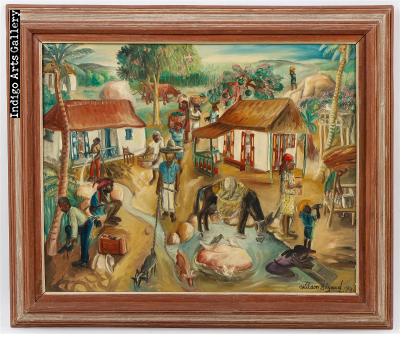
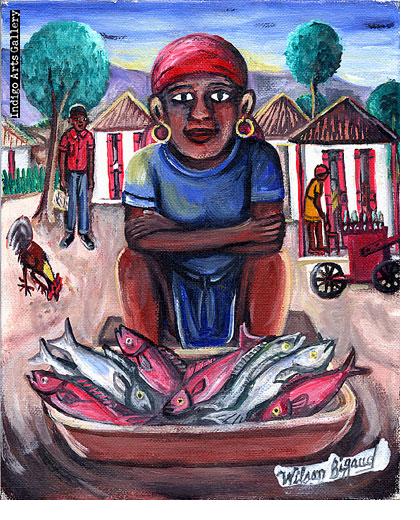
The Fish Seller
Wilson Bigaud (Haiti)
Oil on canvas board (10 x 8), c. 1990
SOLD |


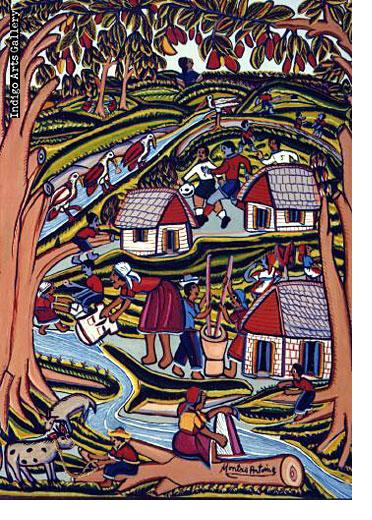
Children Playing
Montas Antoine (Port-au-Prince, Haiti)
Oil on canvas (30 x 24), c.1960
Price on Request
(framed) |
 |
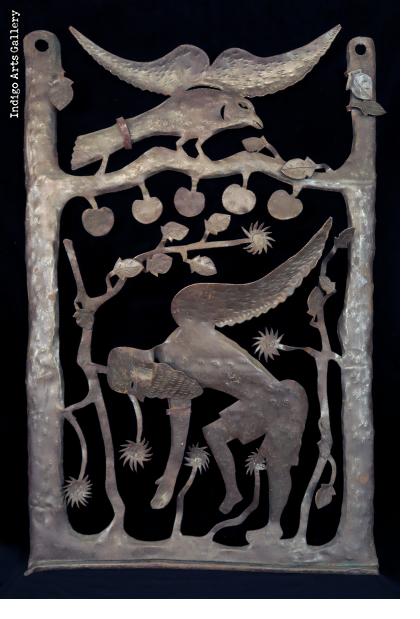
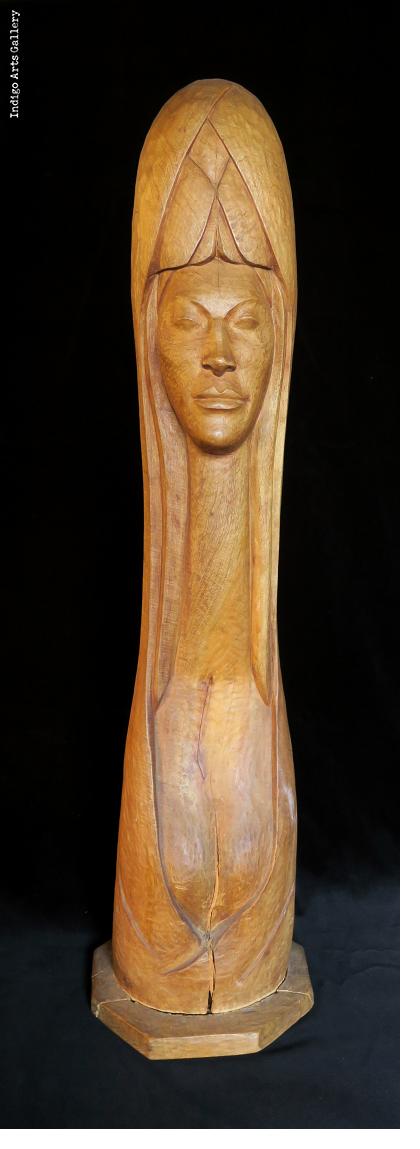
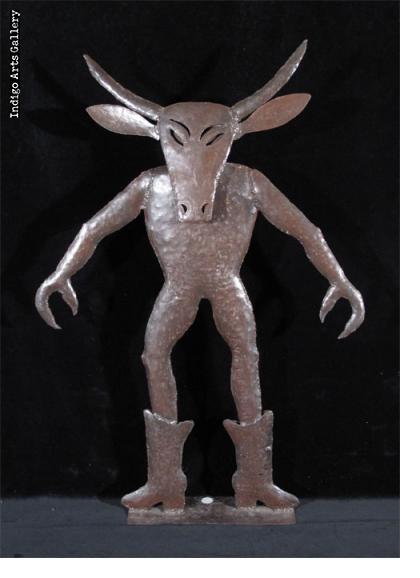
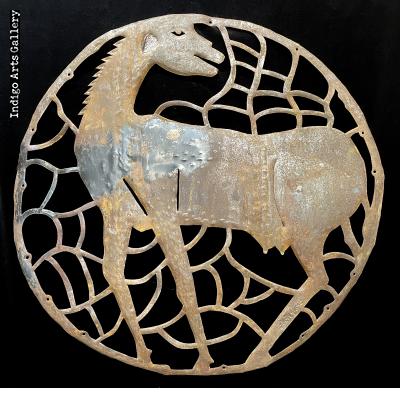
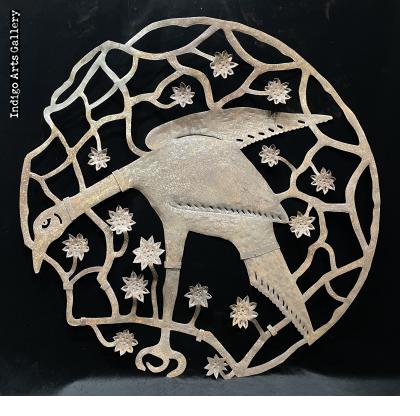
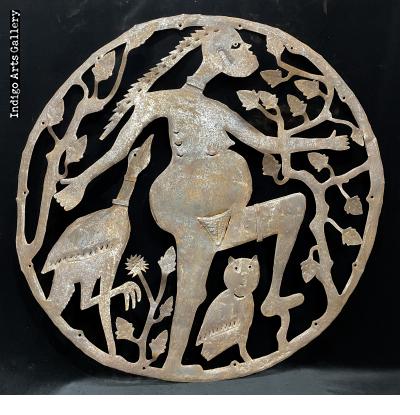
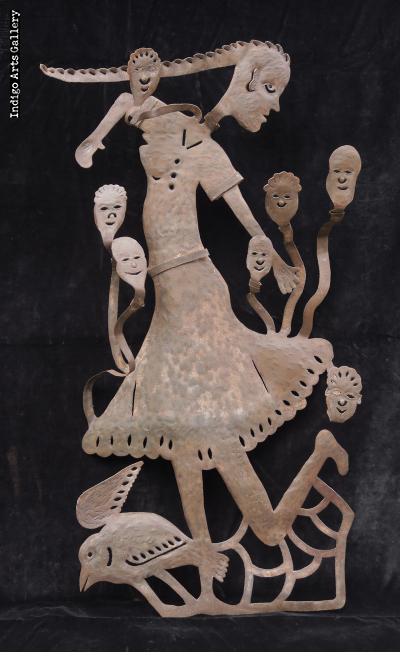
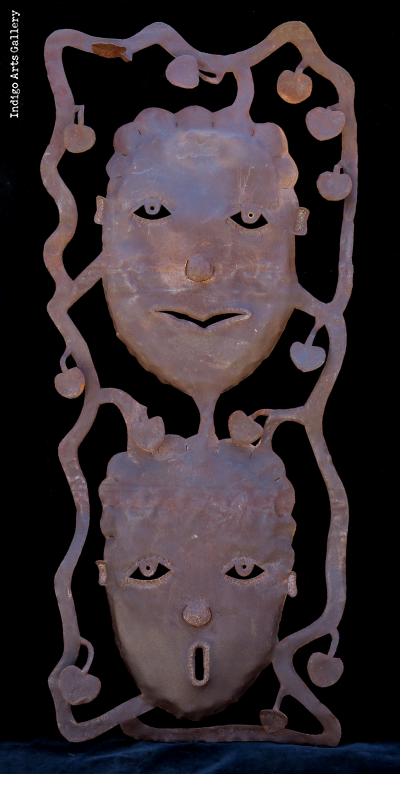
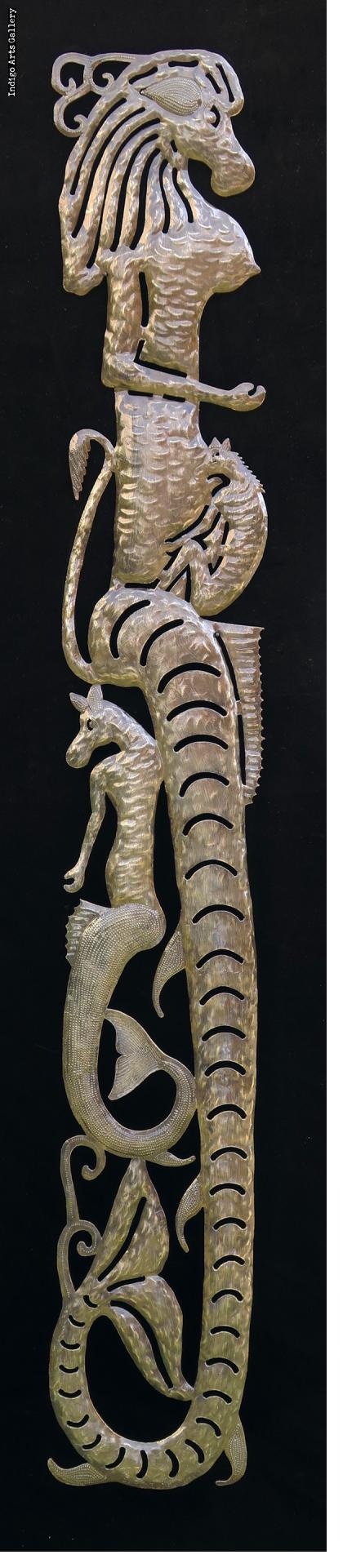
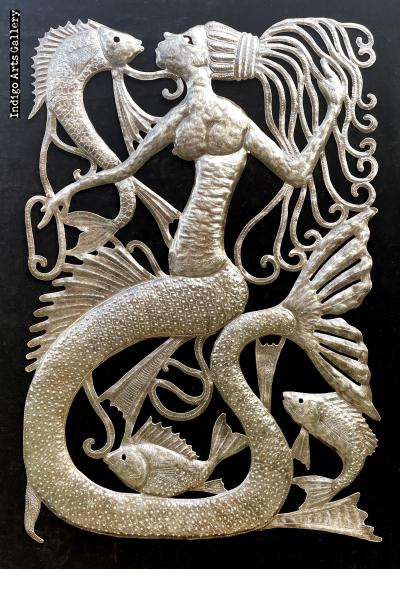
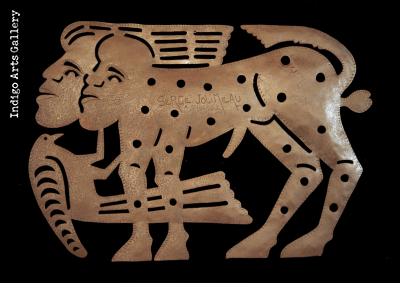
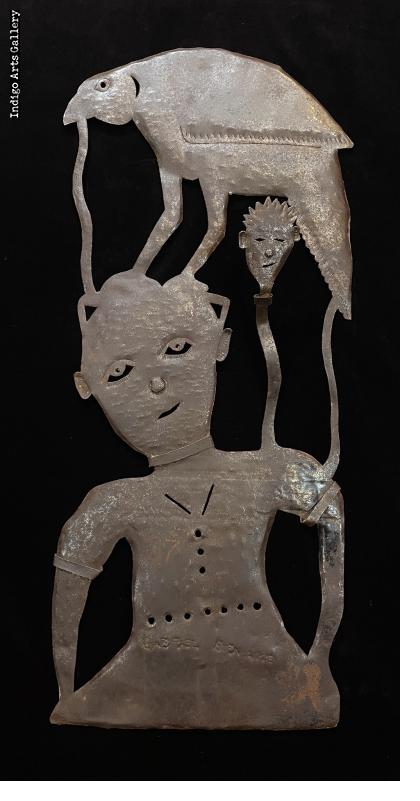
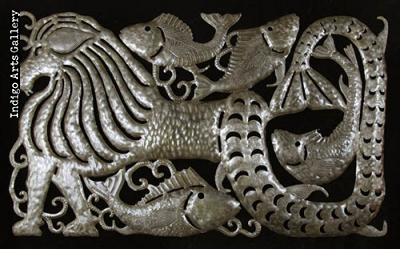
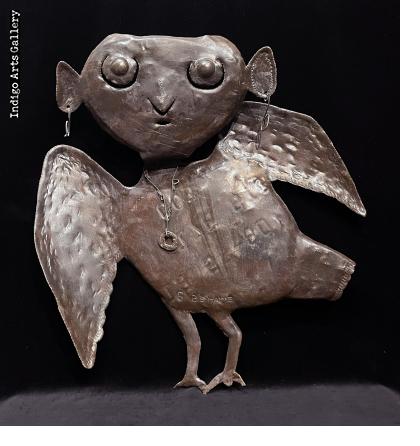
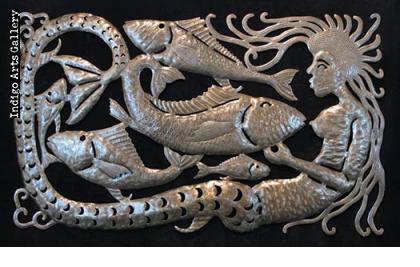
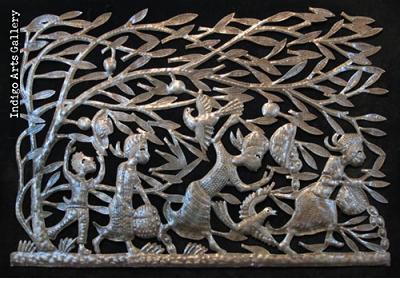
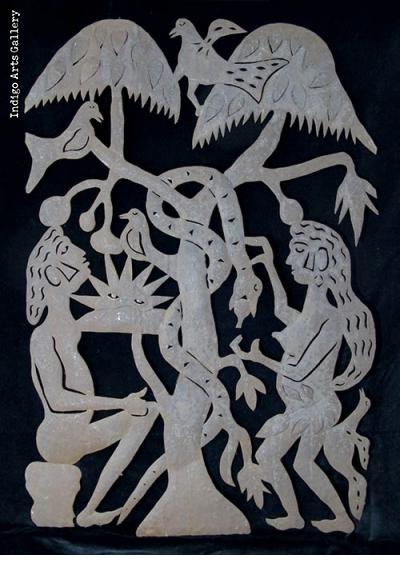
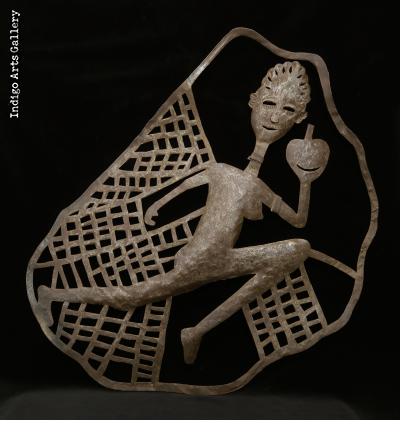
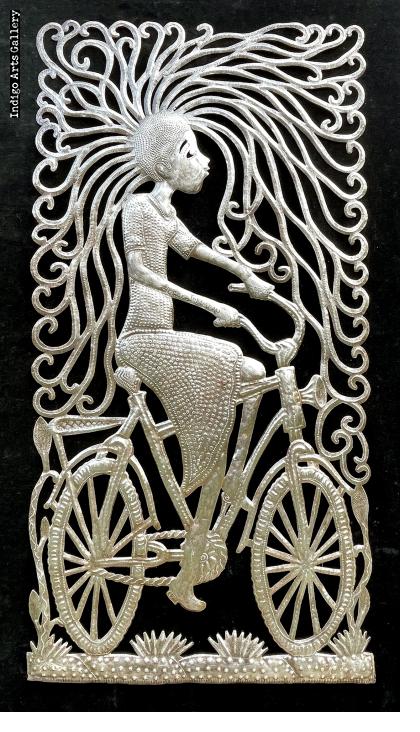
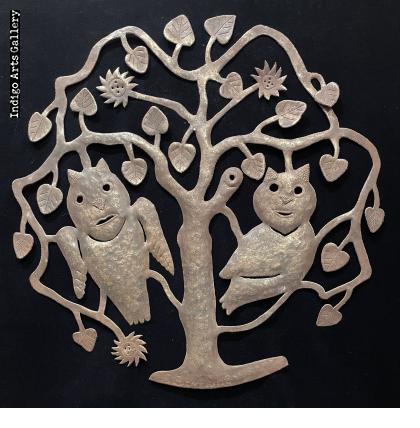
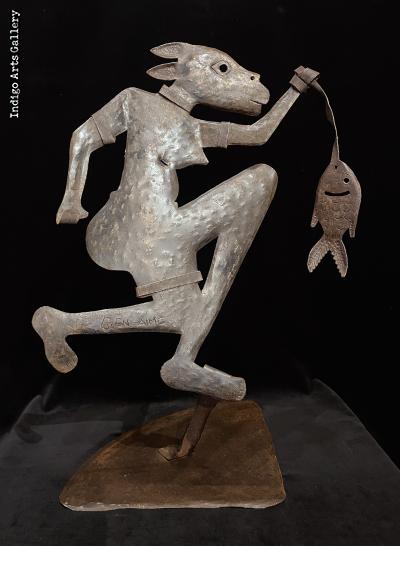
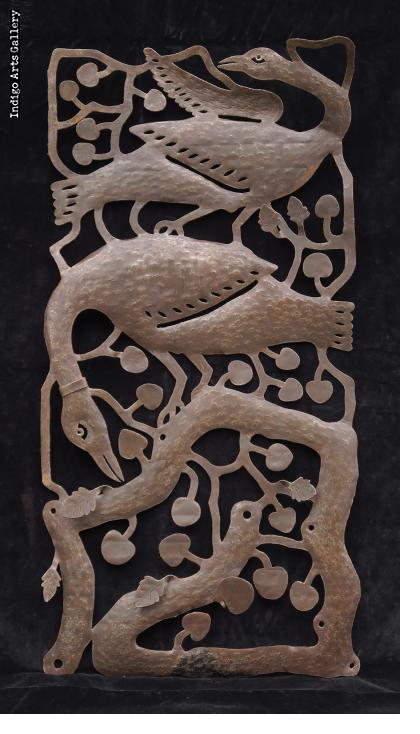
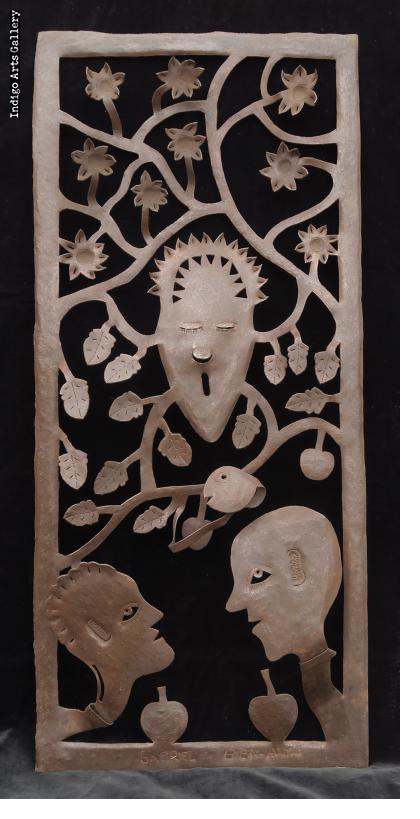
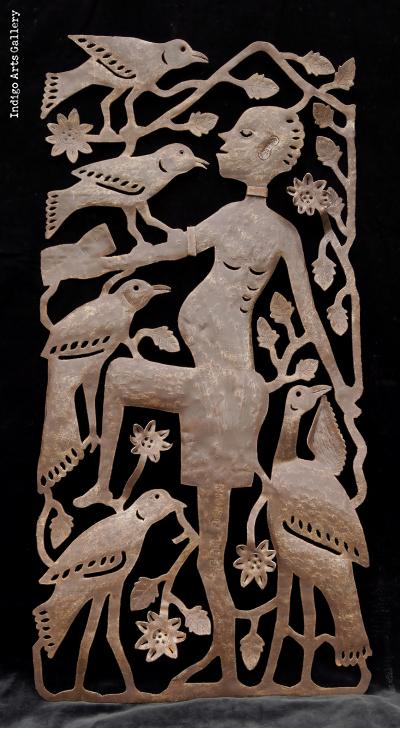
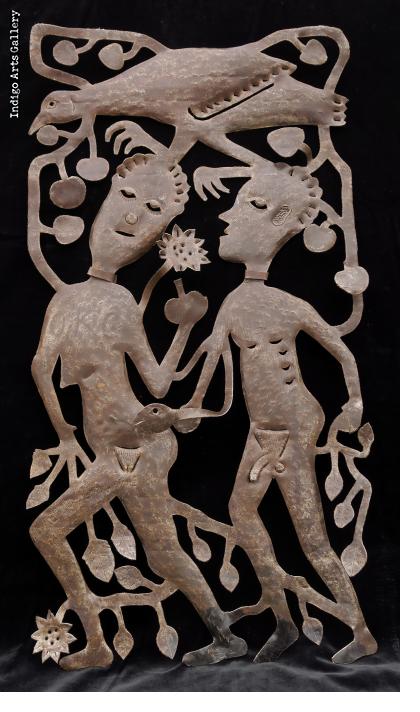
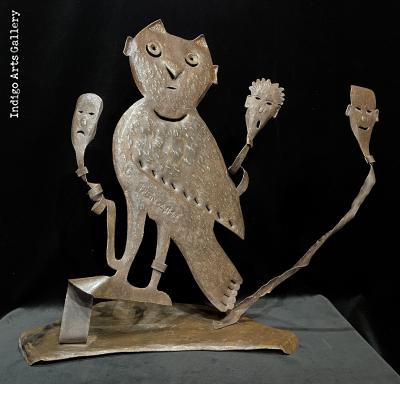
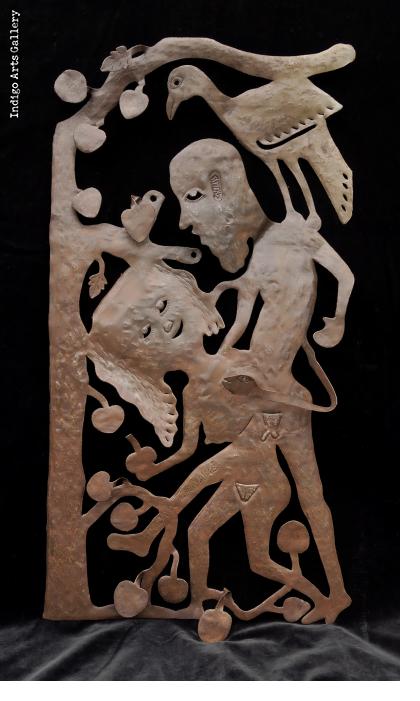
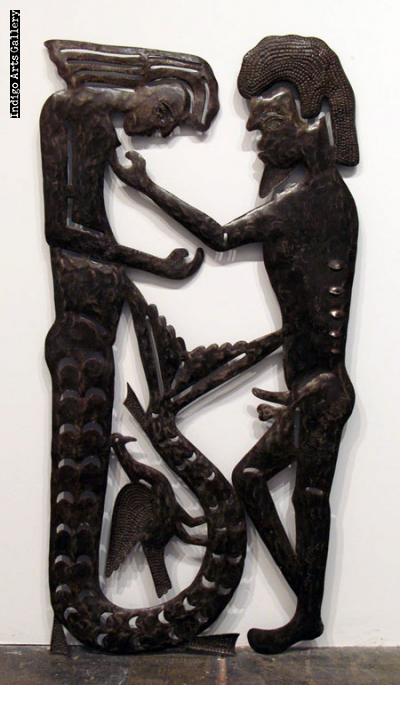
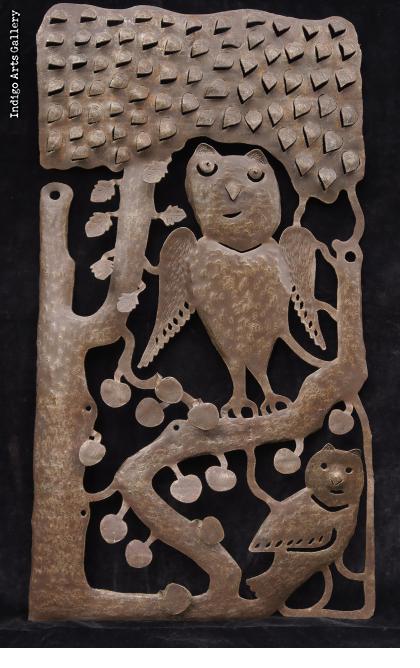
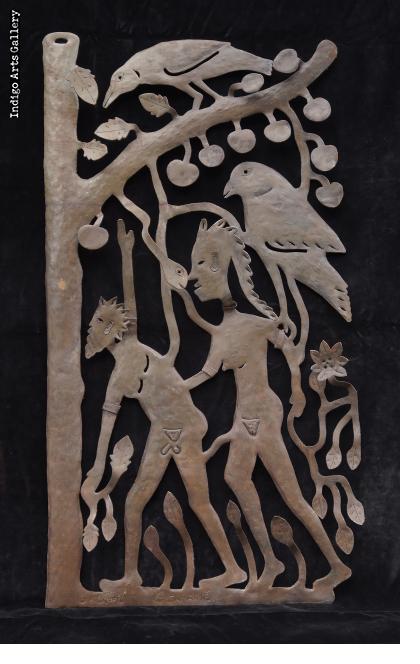
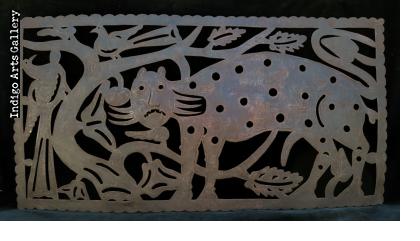
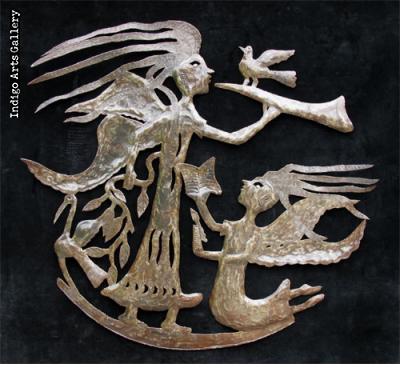
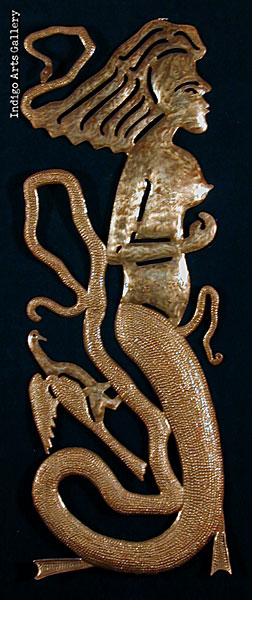
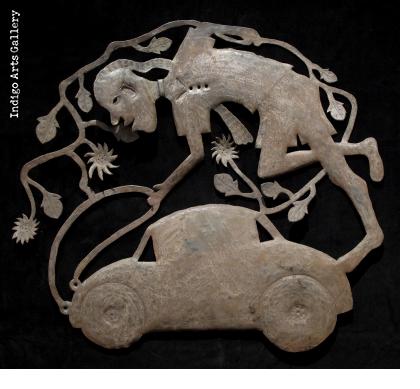
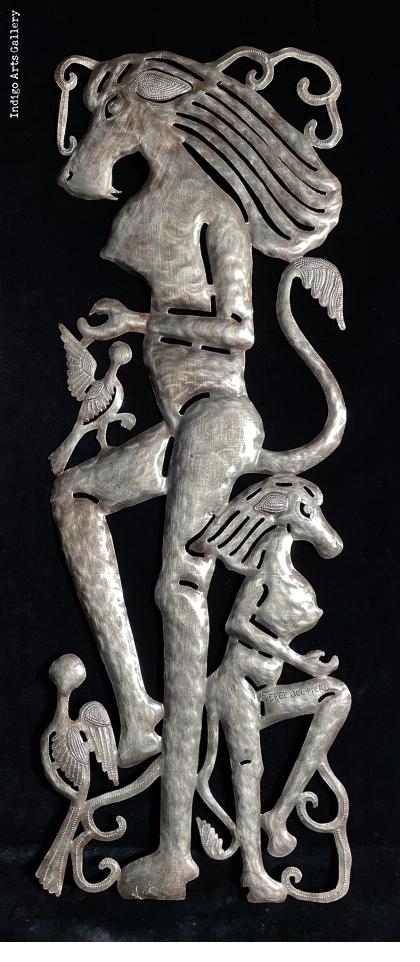
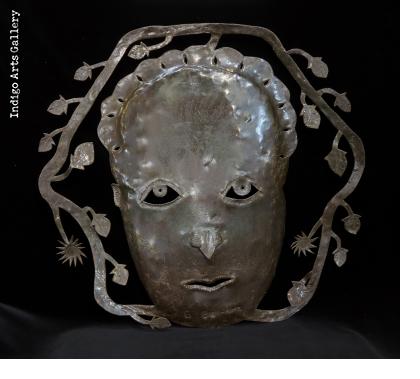
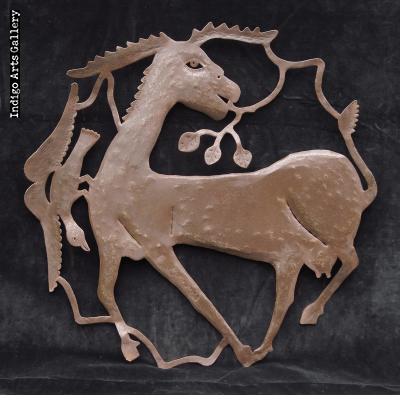
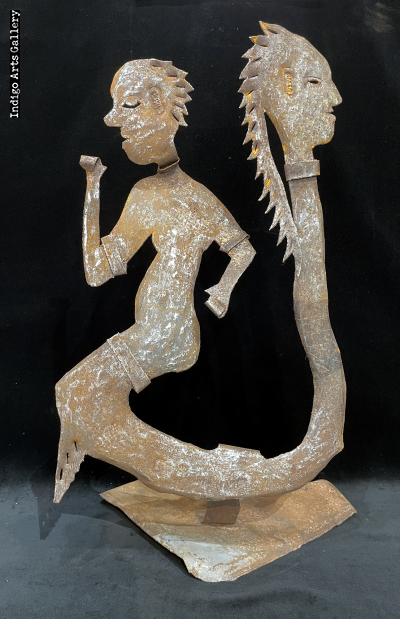
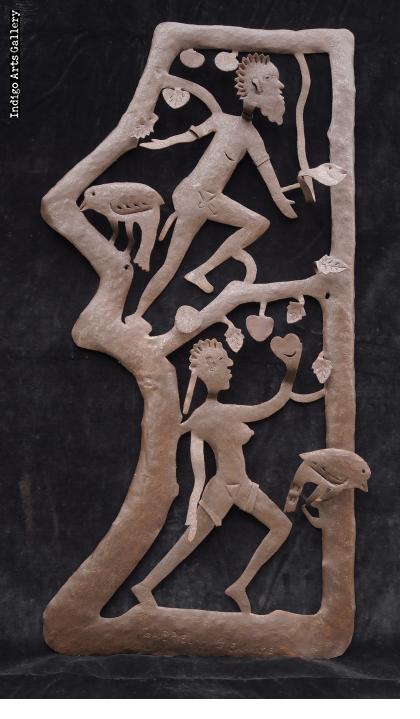
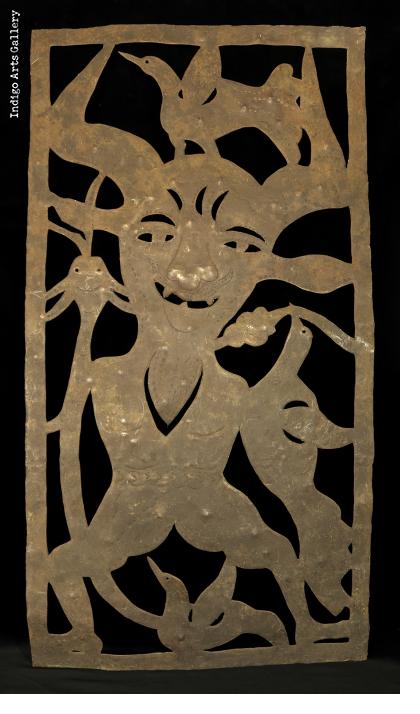
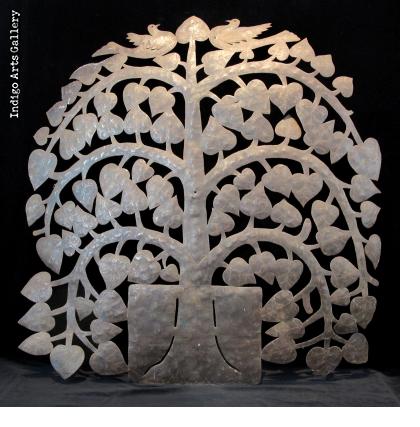
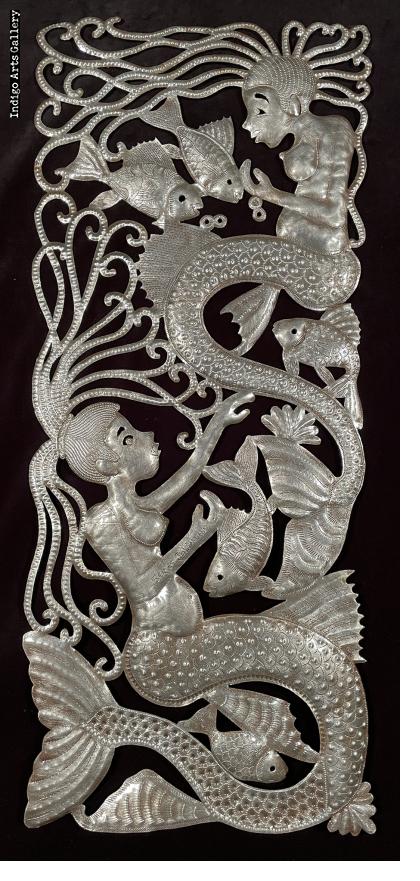
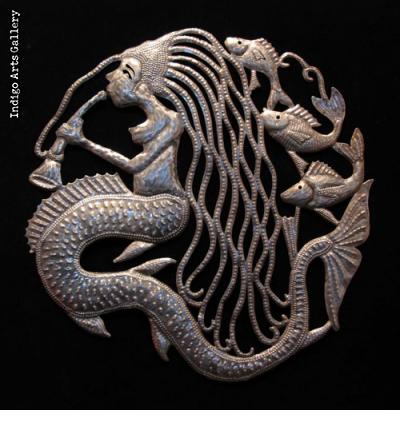
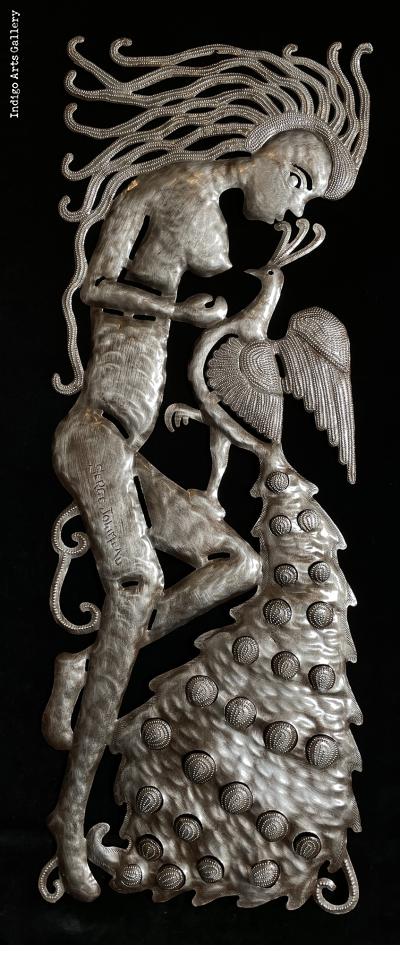
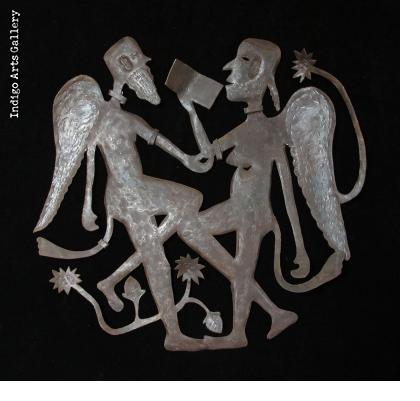
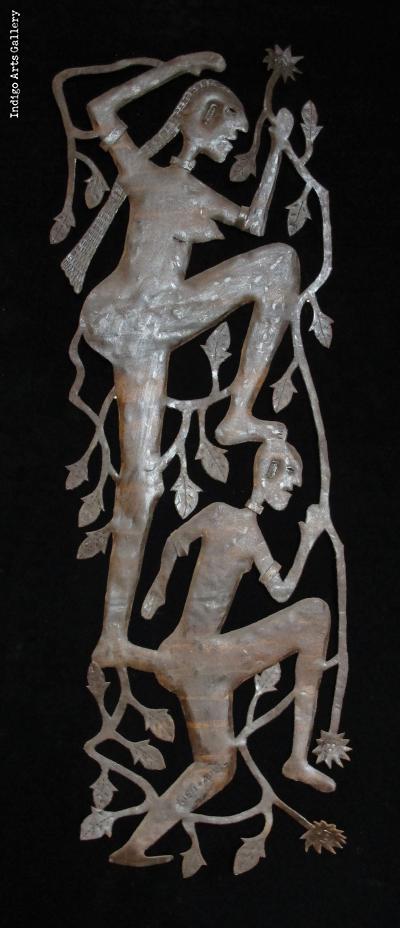
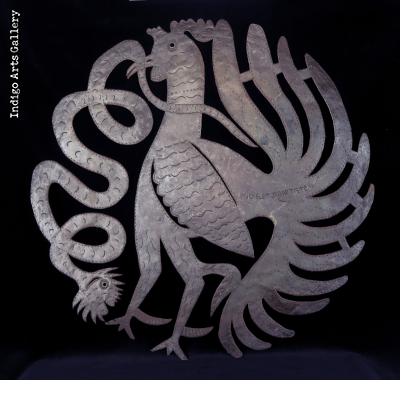
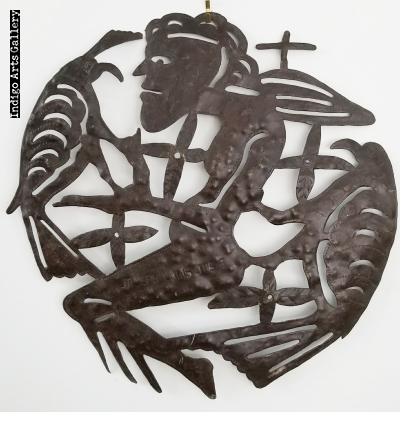
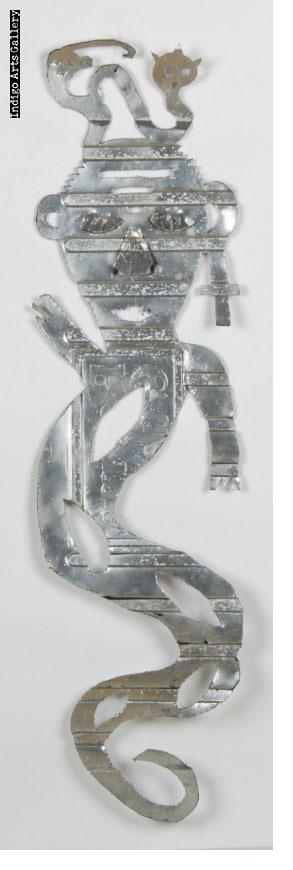
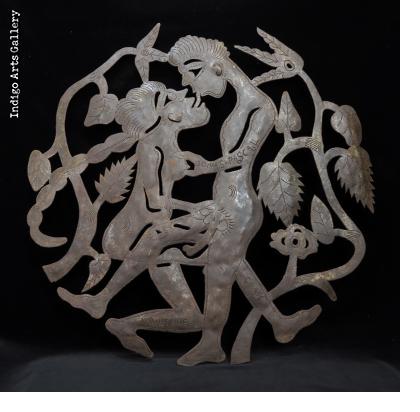
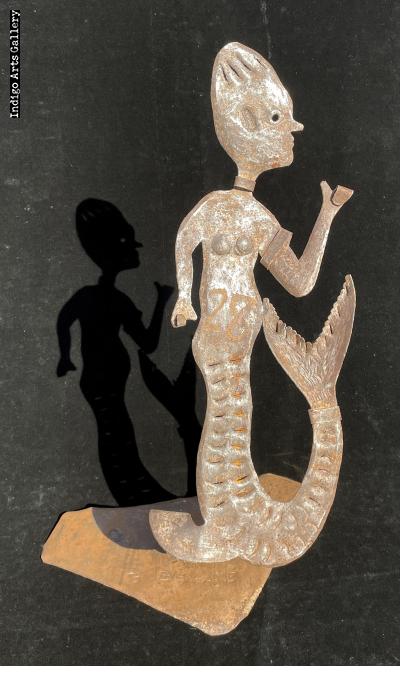
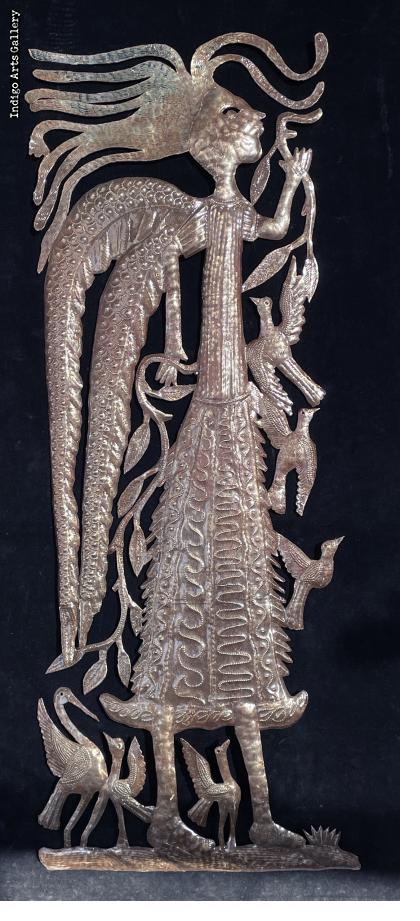
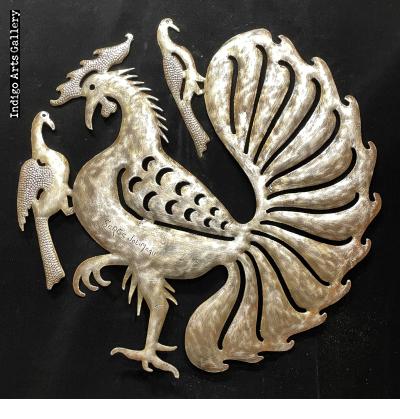
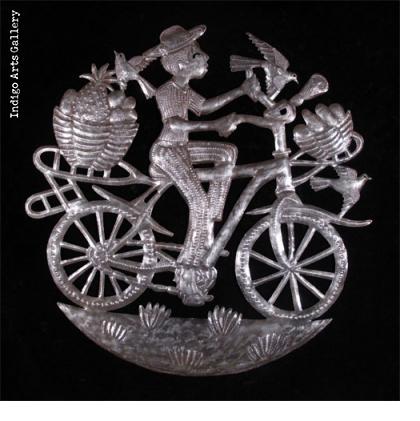
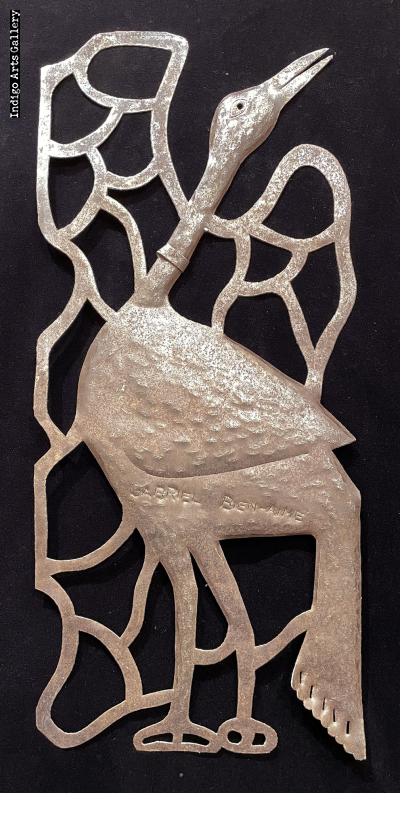
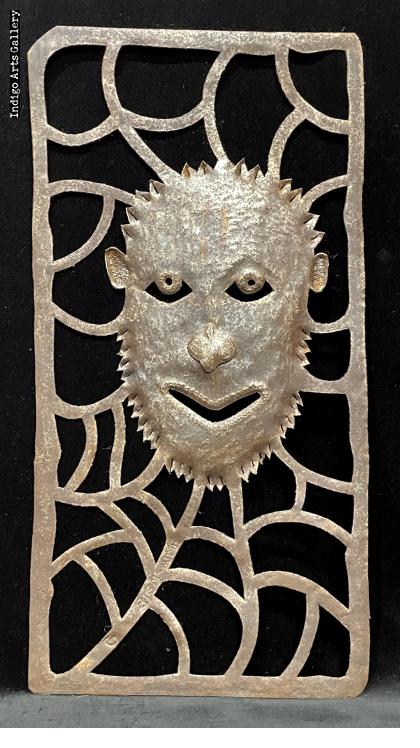
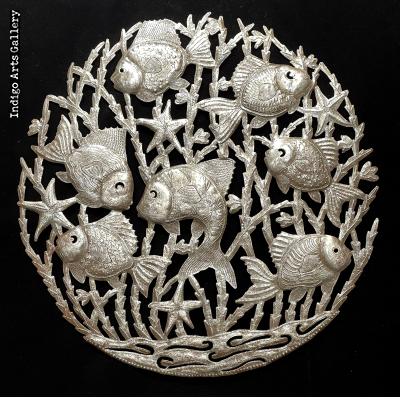
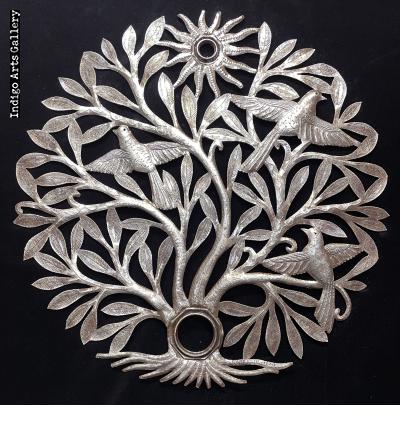
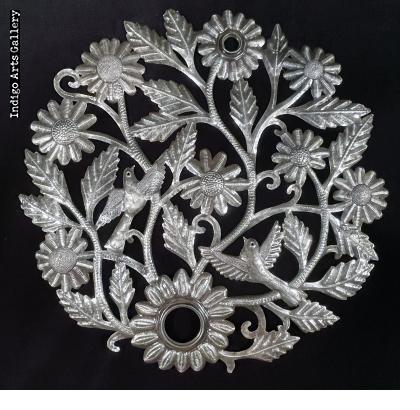
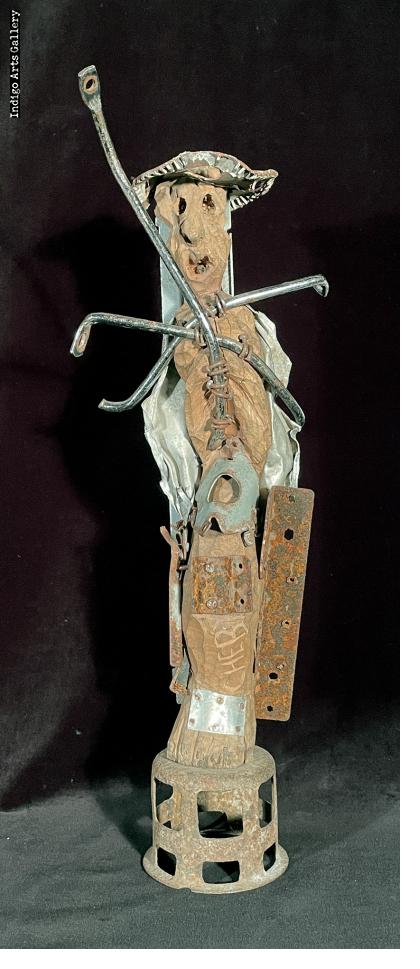
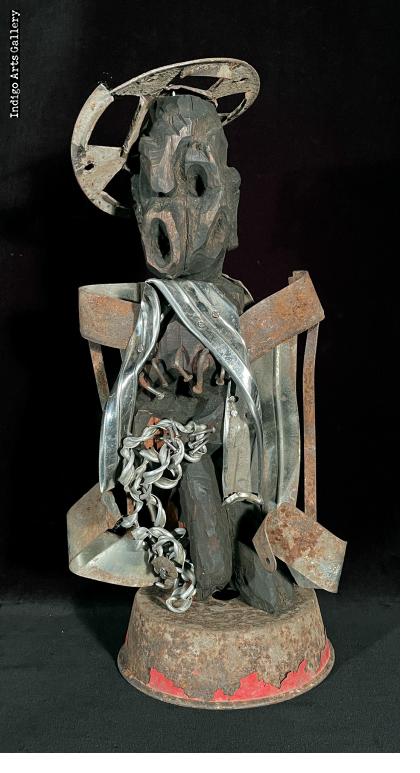
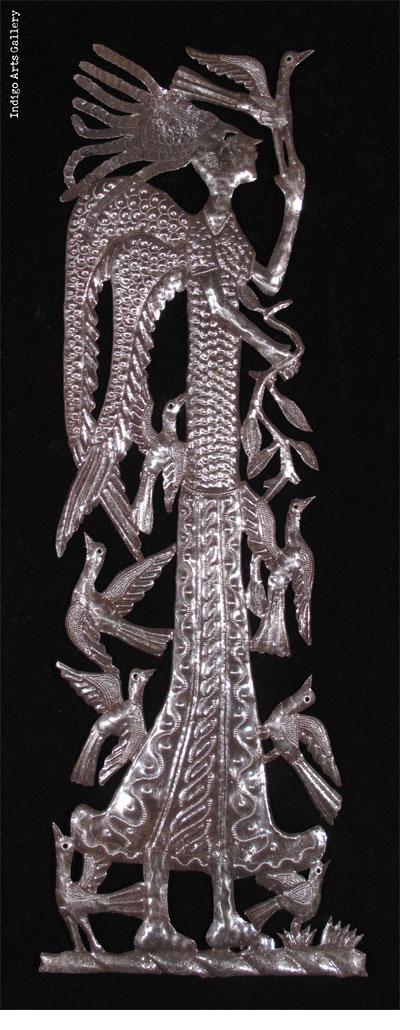
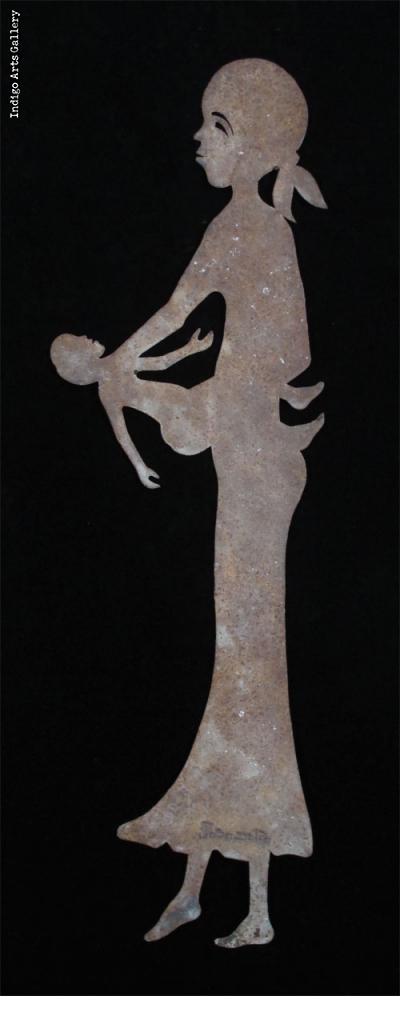
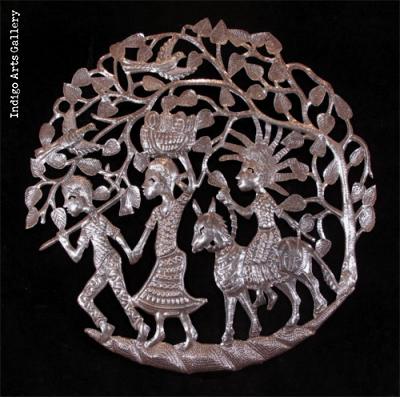
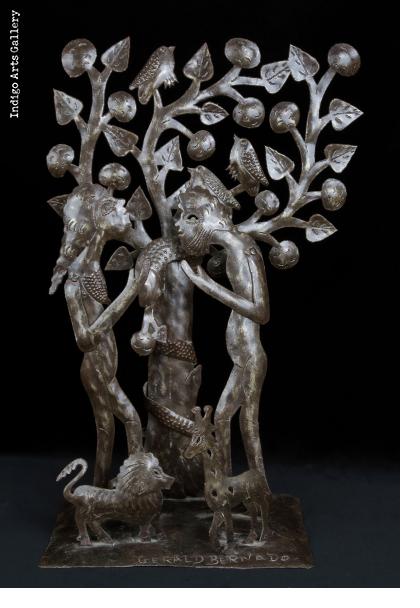
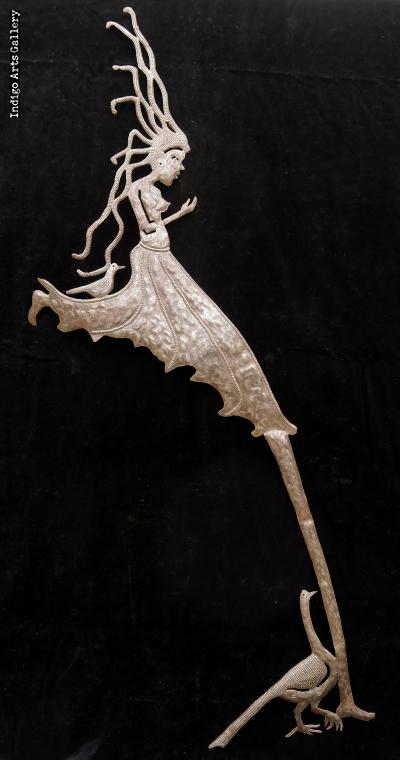
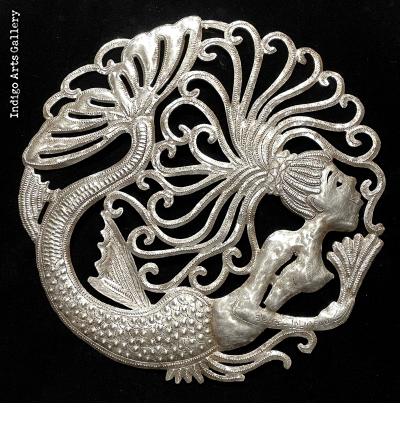
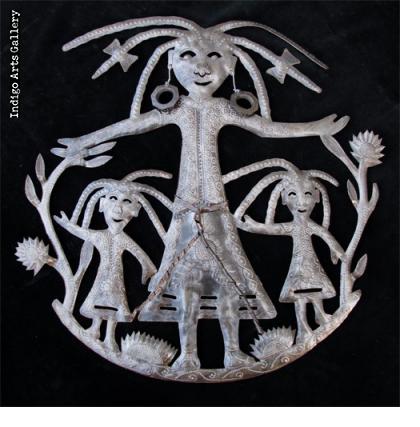
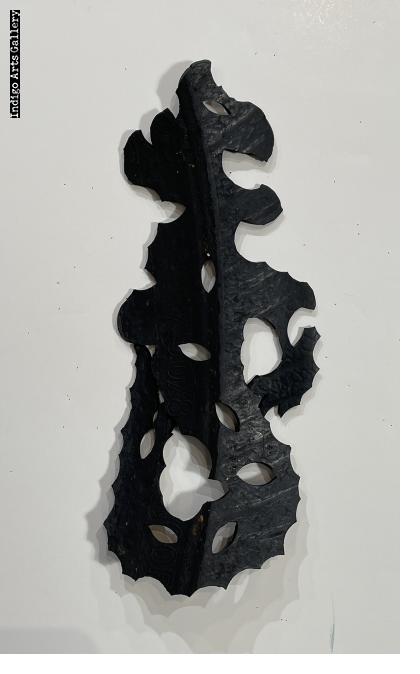
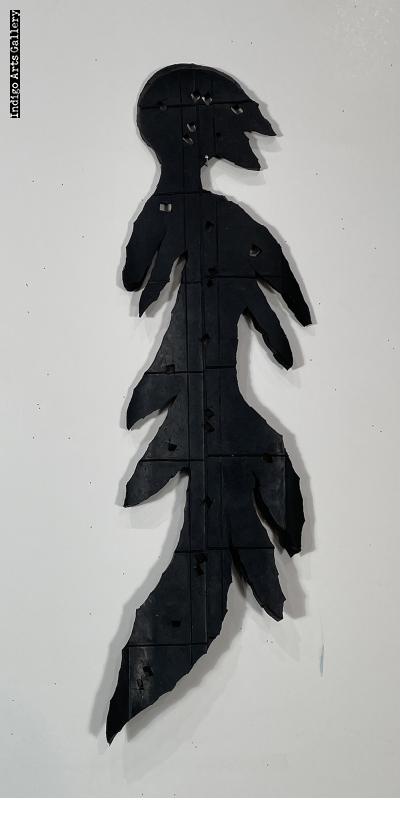
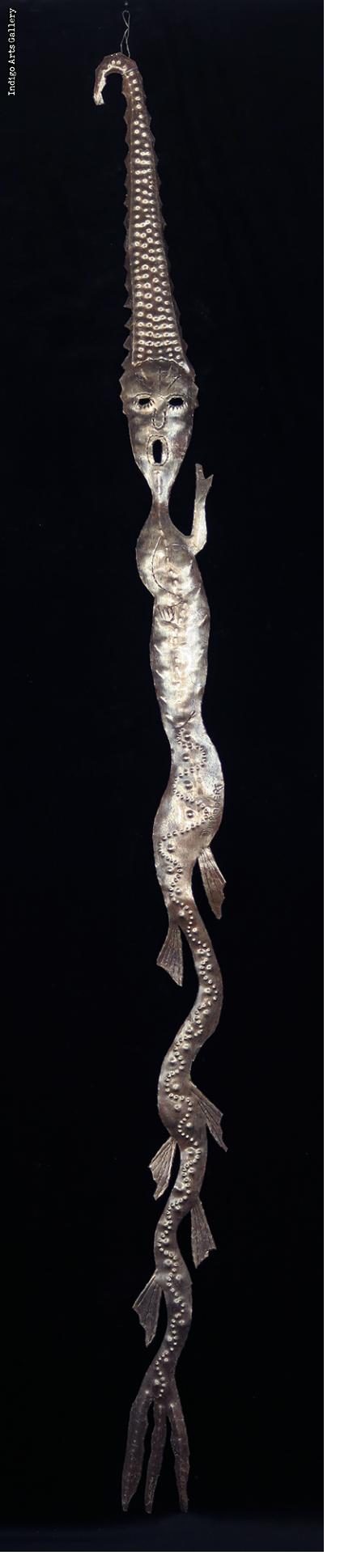
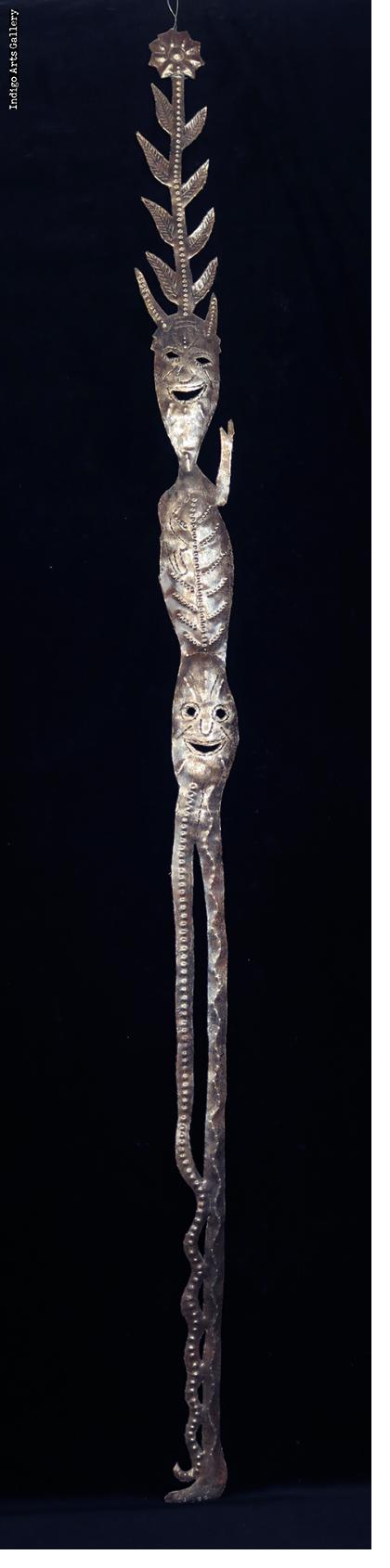
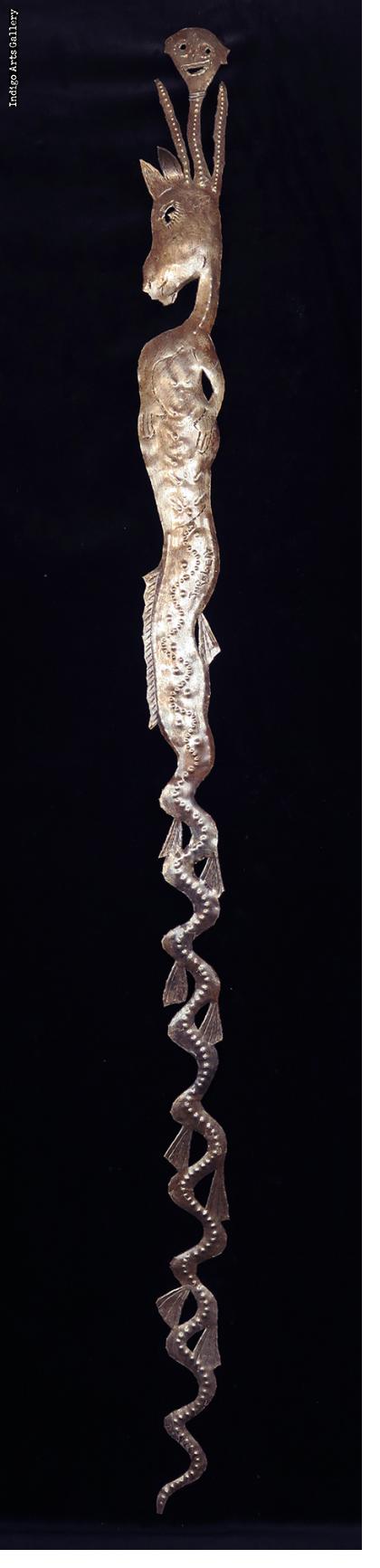
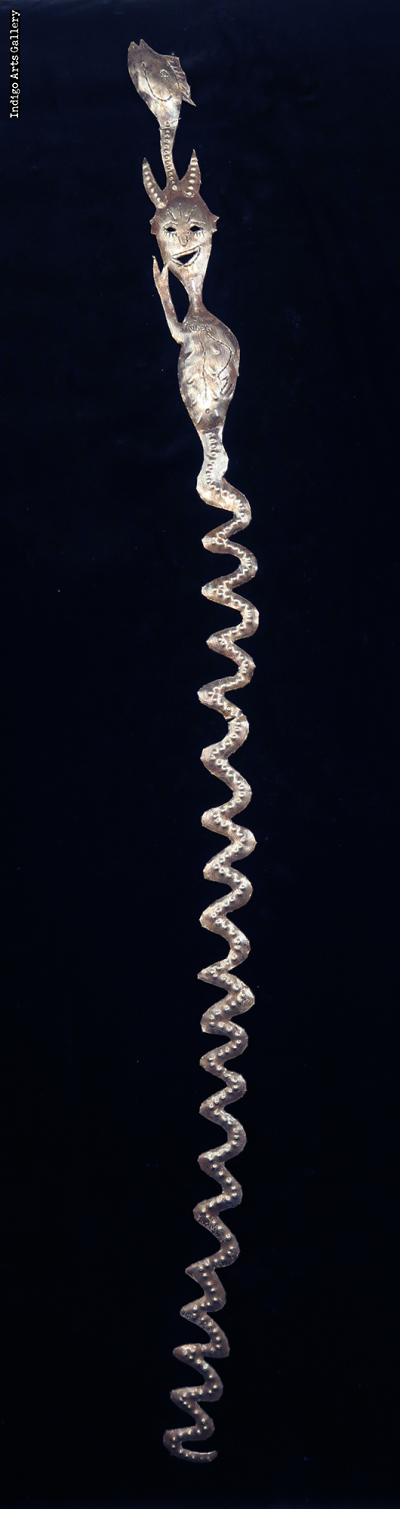
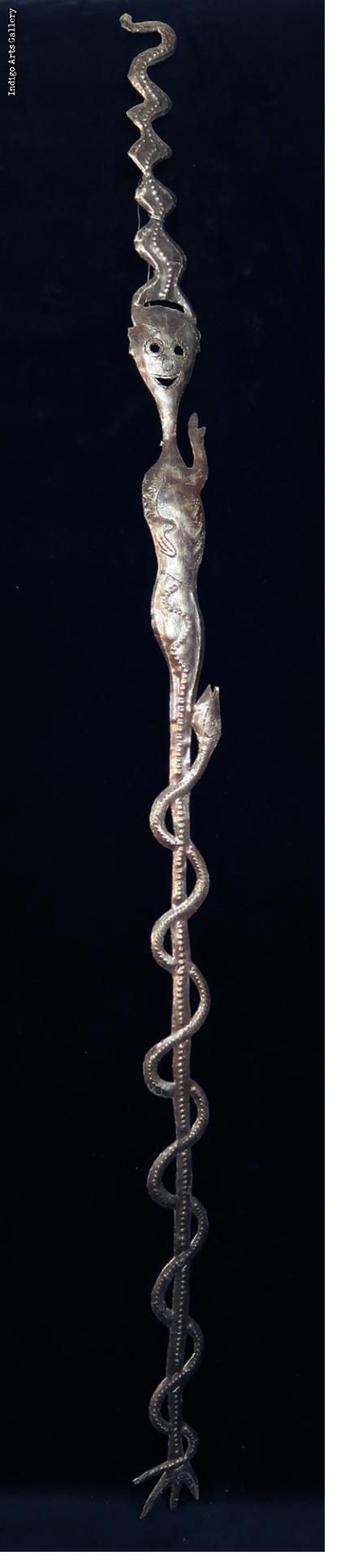
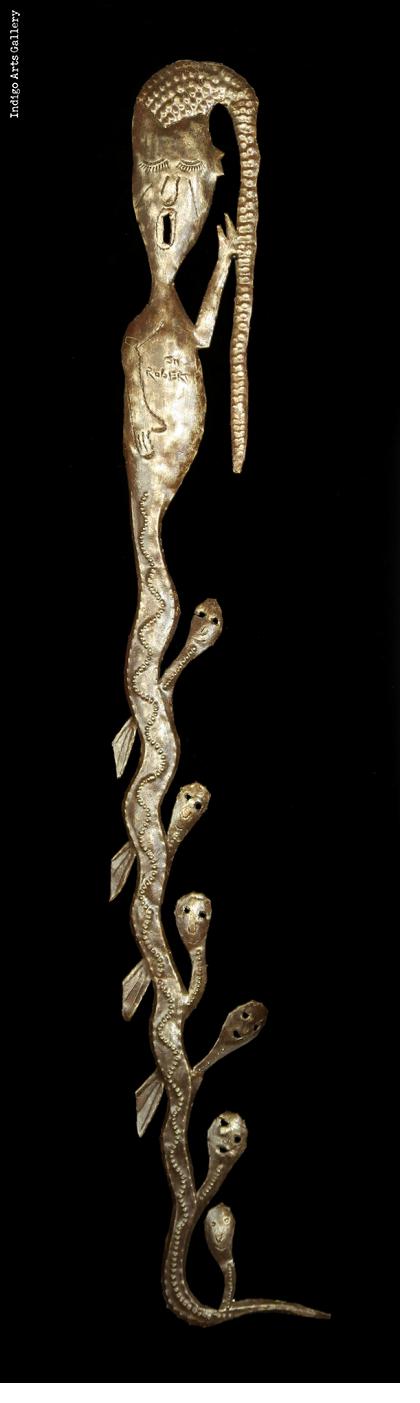
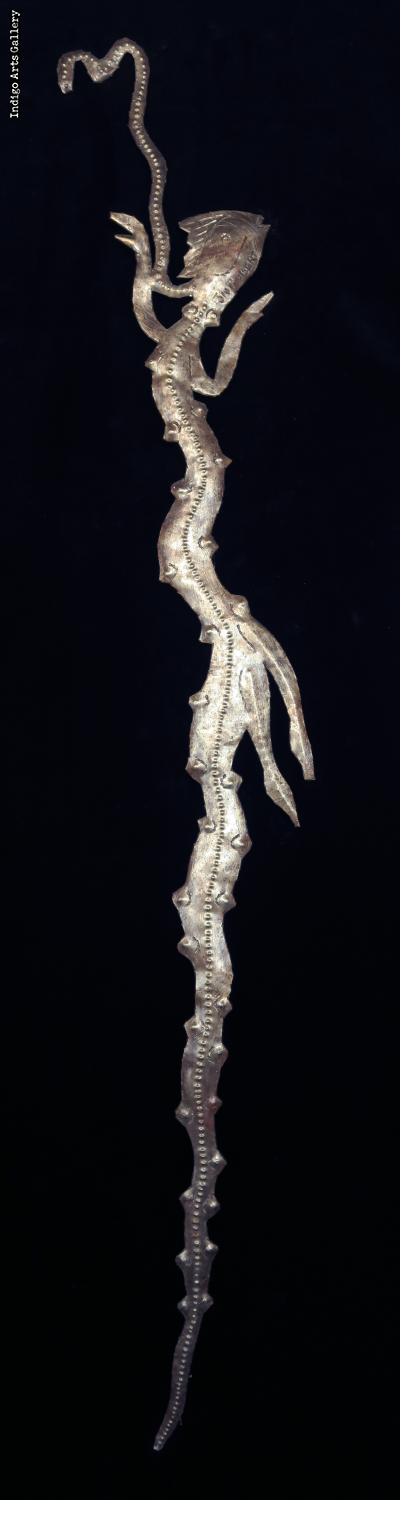
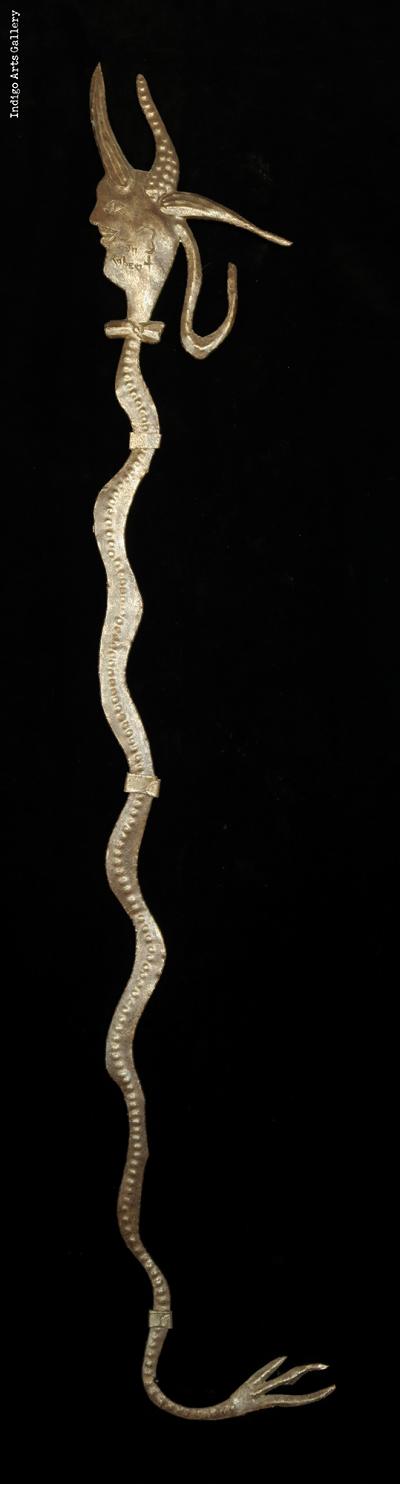
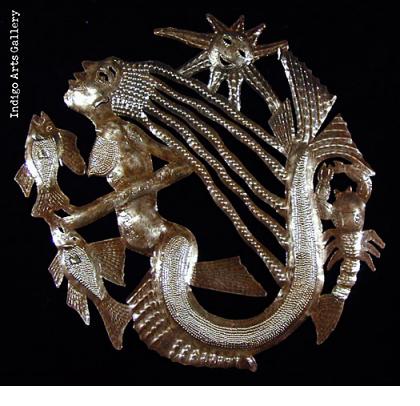
The early 1950's saw the emergence of the uniquely Haitian art form of steel drum sculpture. A blacksmith named George Liautaud hammered out wrought-iron grave crosses for a living until Peters and others encouraged him to try his hand at figurative sculpture. His students and followers, including today's masters, Serge Jolimeau and Gabriel Bien-Aimé, further refined the art of hammering sculpture out of recycled oil drums.
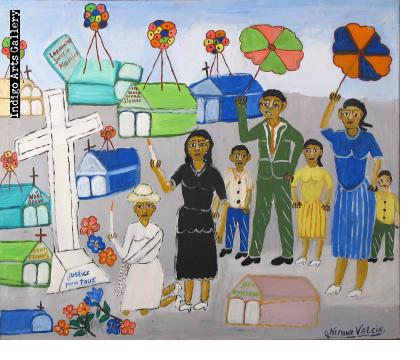
1957 - The accession to power of Francois "Papa Doc" Duvalier. For the next decade he and his tonton macoutes terrorized Haiti. Most tourists and buyers of Haitian art stayed away. In spite of this several fresh artists emerged, including André Pierre, Gerard Valcin and Salnave Philippe-Auguste.
1972 - The opening of the Musée dArt Haitien in Port-au-Prince, the first museum devoted to Haitian Art. It was dedicated tthe memory of Dewitt Peters, who had died in 1966. The death of Papa Doc Duvalier and the succession of his marginally less repressive son "Baby Doc" encouraged a new era of tourism to Haiti and greater exposure for Haitian artists.
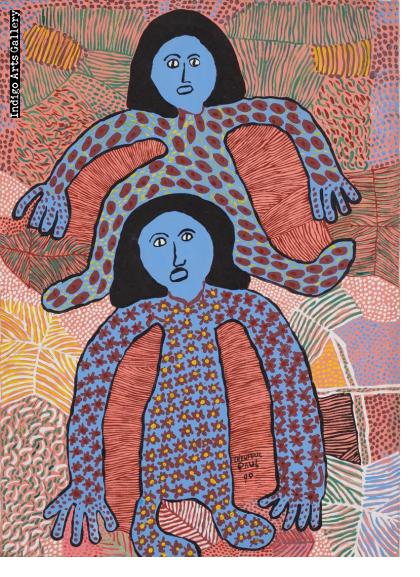
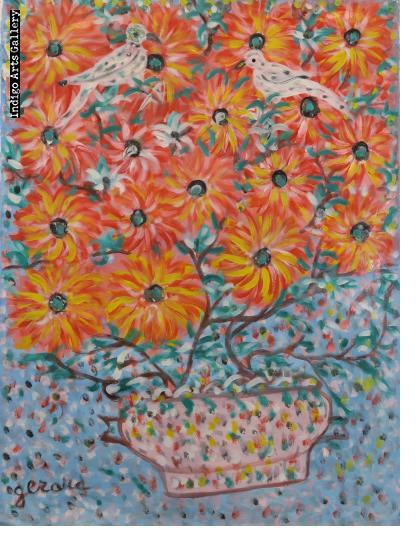
1975 - The visit of French writer, critic and Minister of Culture, André Malraux, to the mystical artists community of Saint-Soleil. He became a champion of this group which included Prosper Pierre-Louis, Dieuseul Paul and Louisiane St. Fleurant. Another artist who began to work in this period was the ever-playful pastry chef turned painter, Gerard Fortuné.
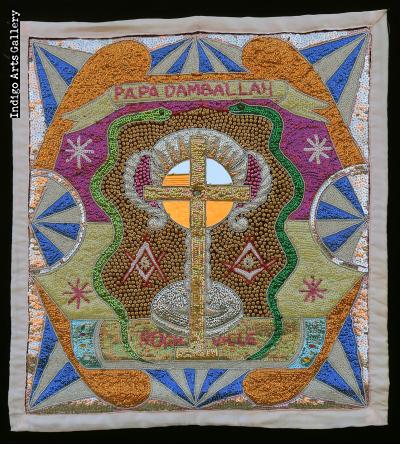
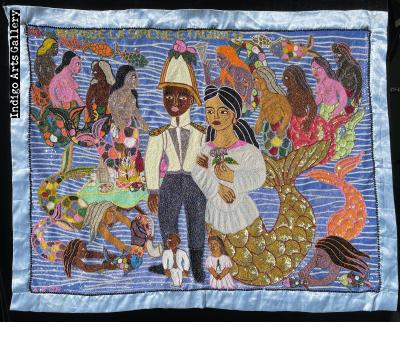
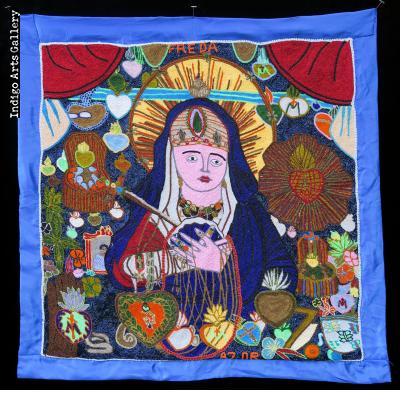
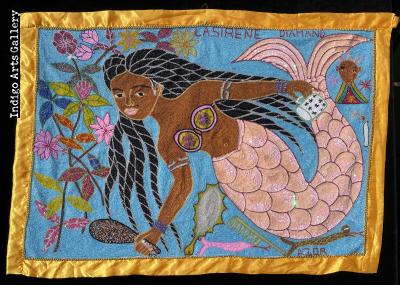
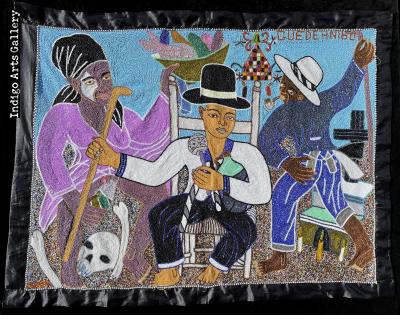
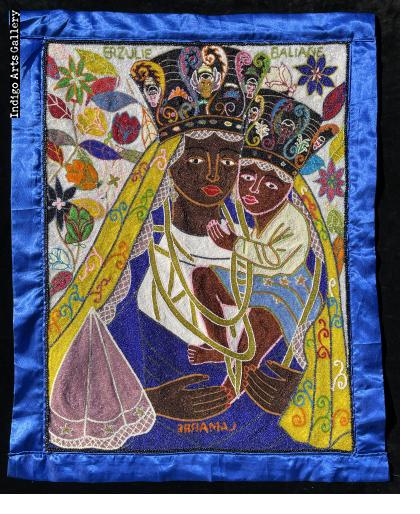
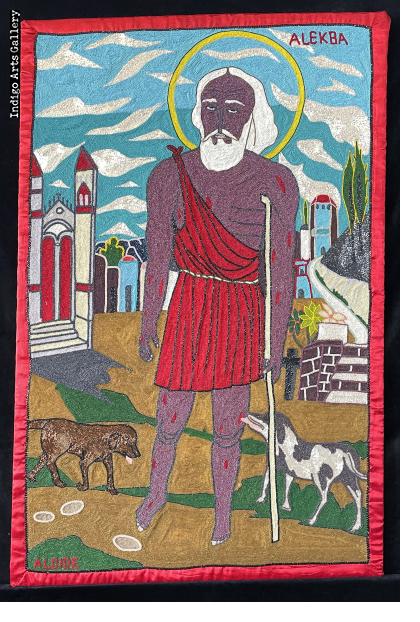
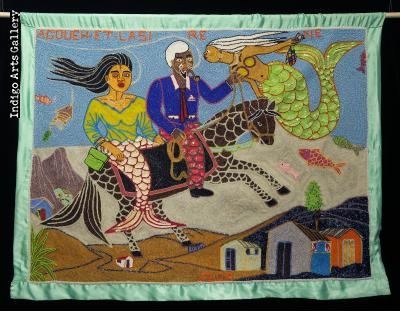
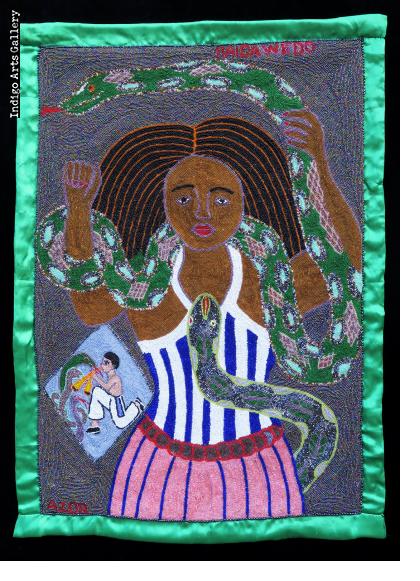
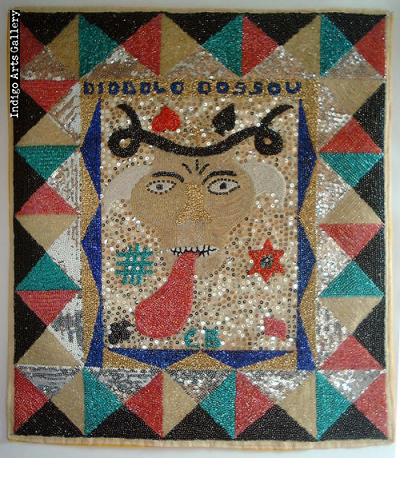
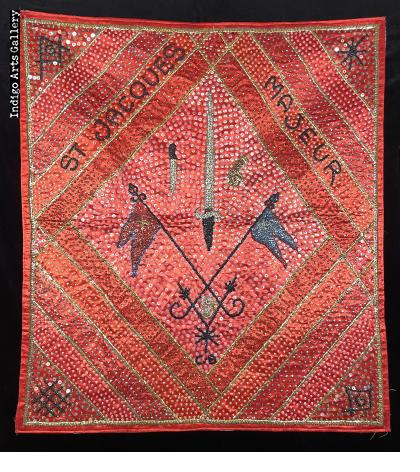
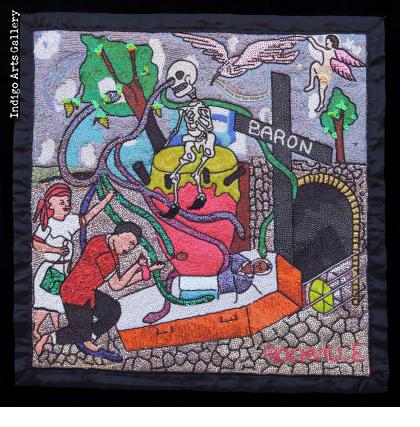
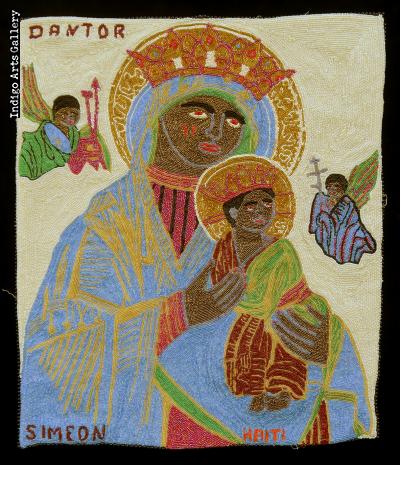
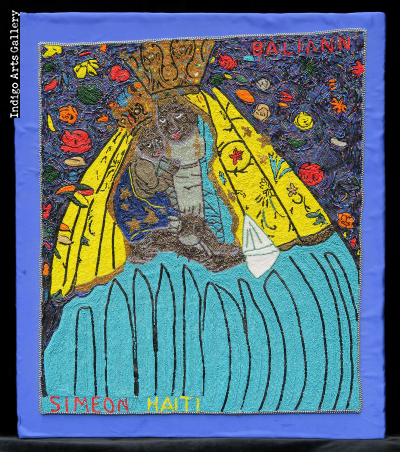
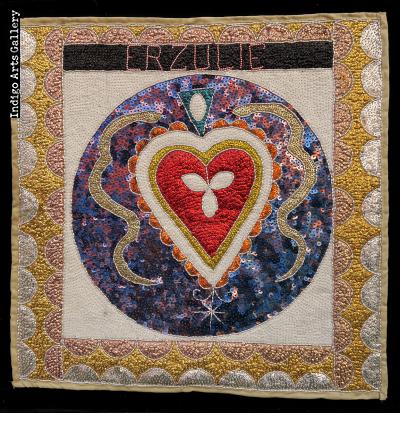
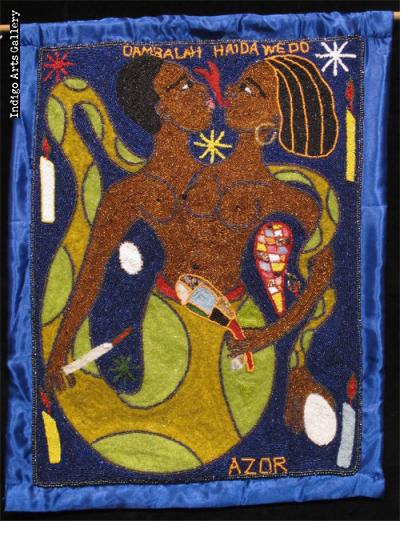
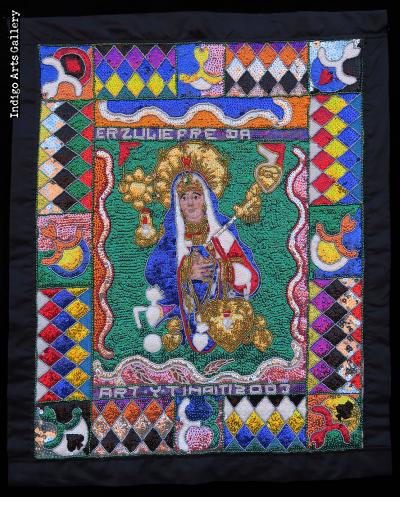
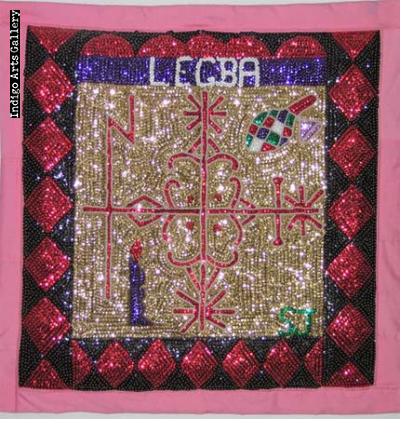
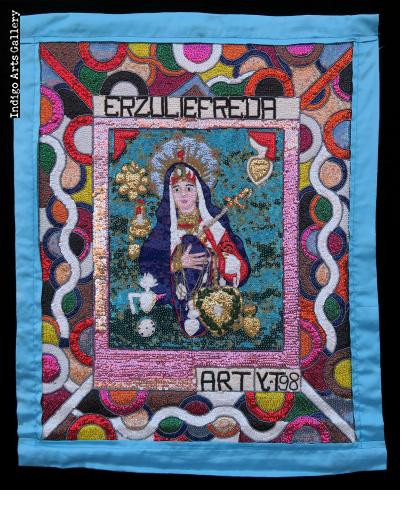
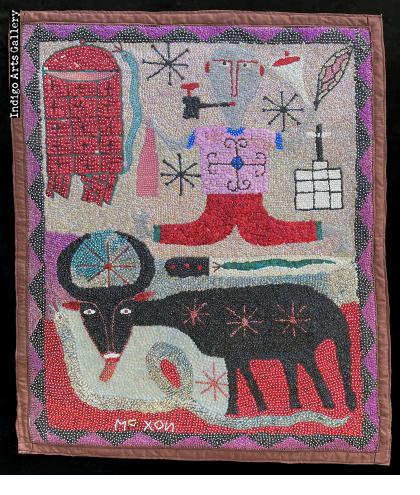
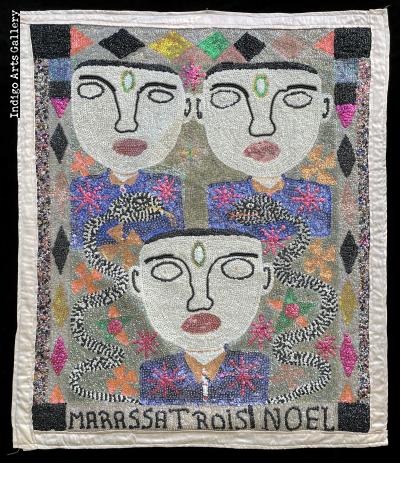
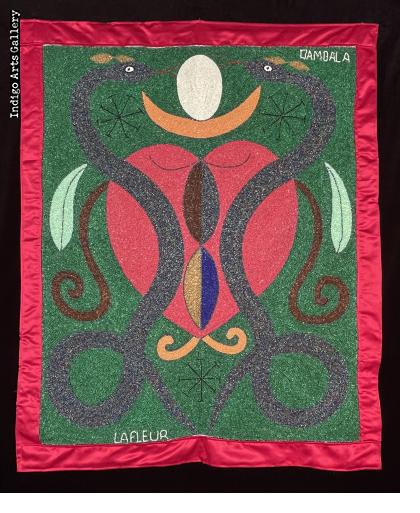
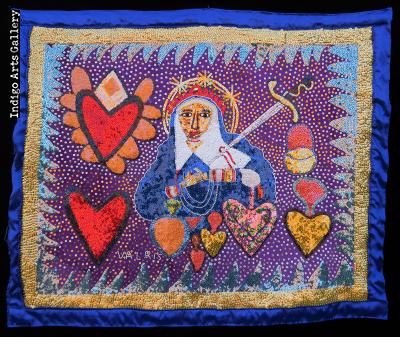
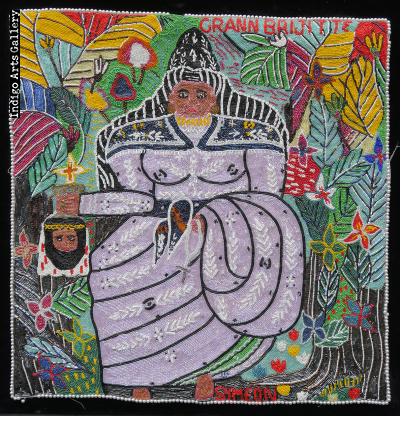
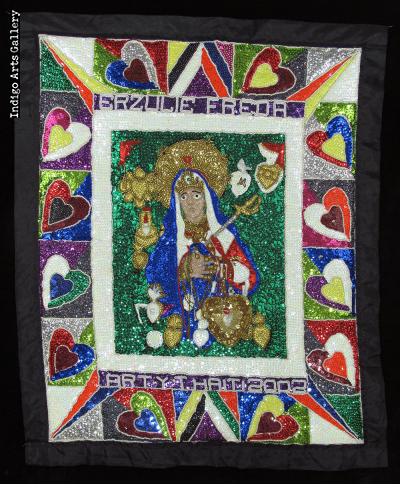
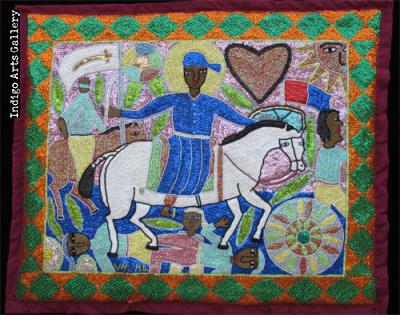
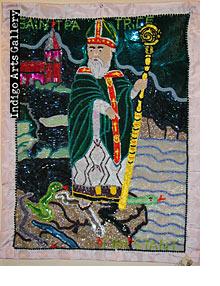
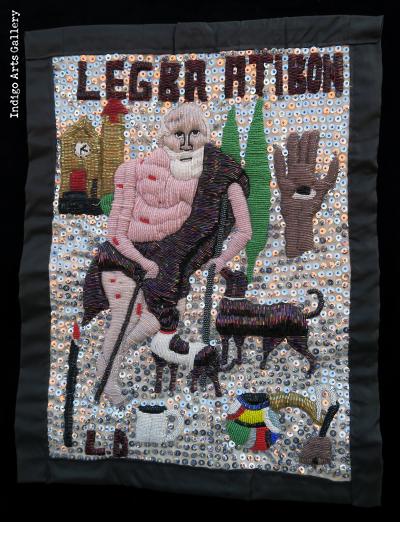
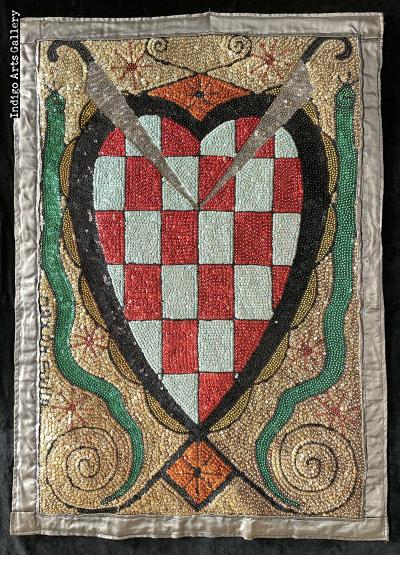
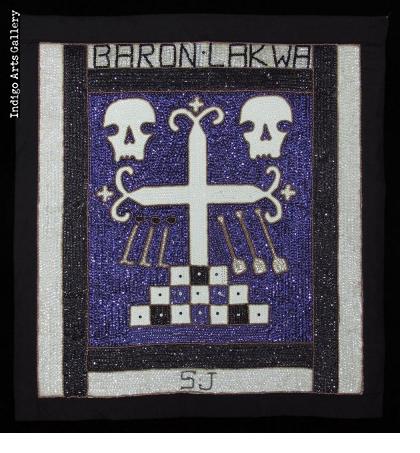
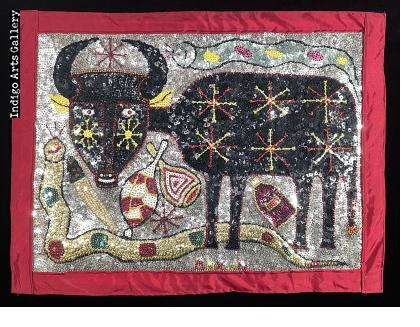
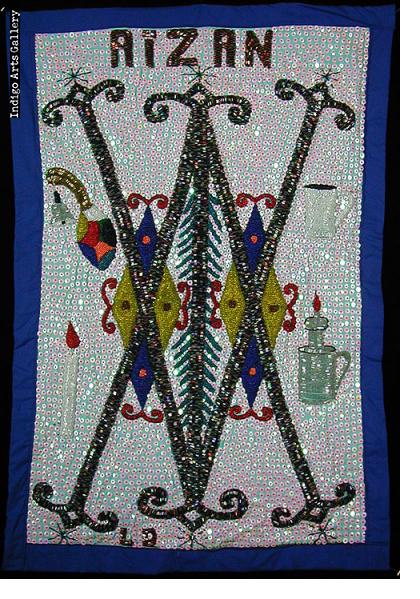
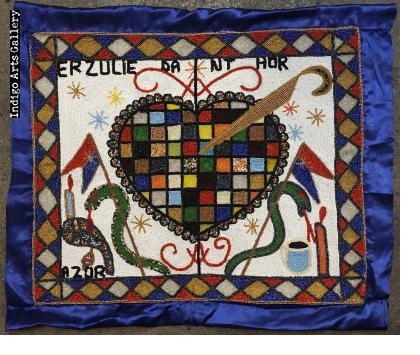
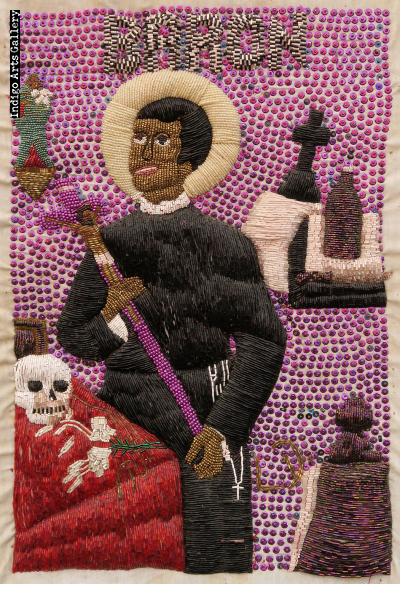
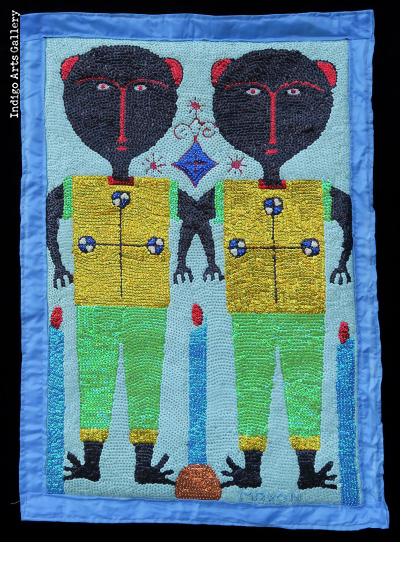
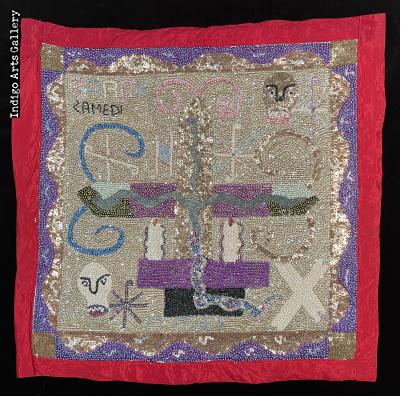
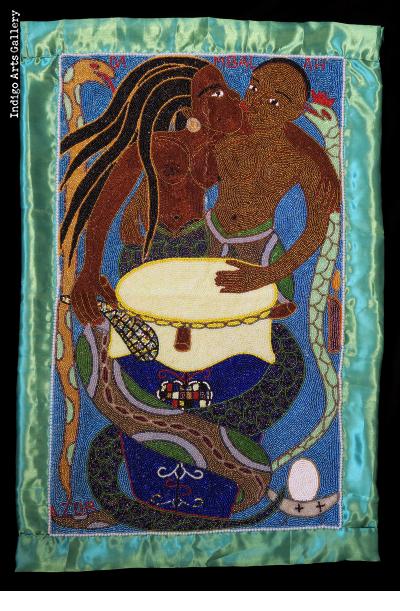
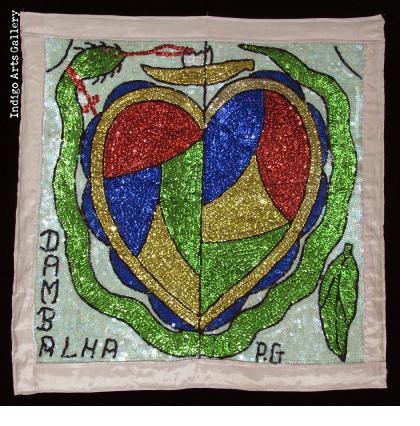
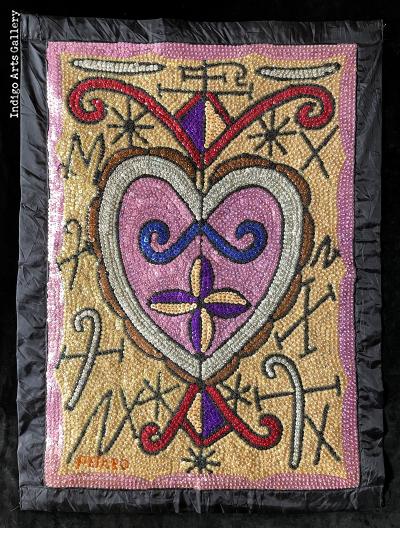
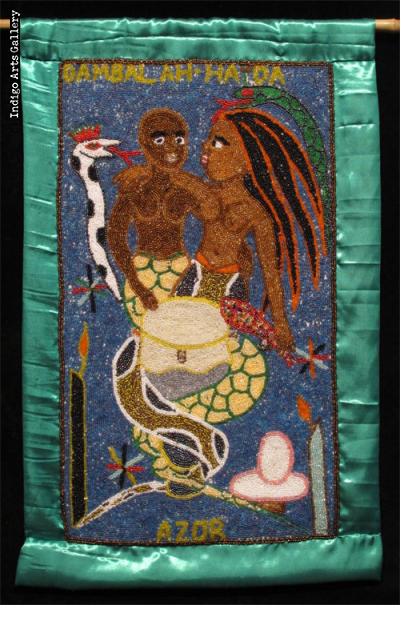
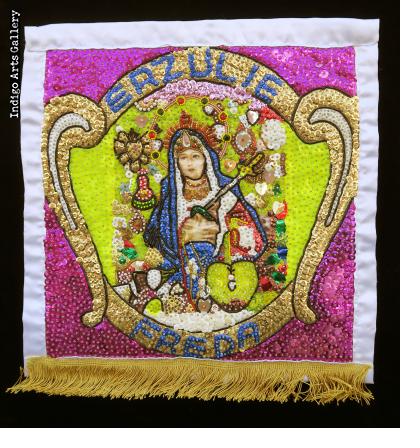
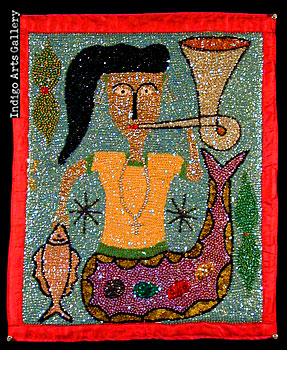
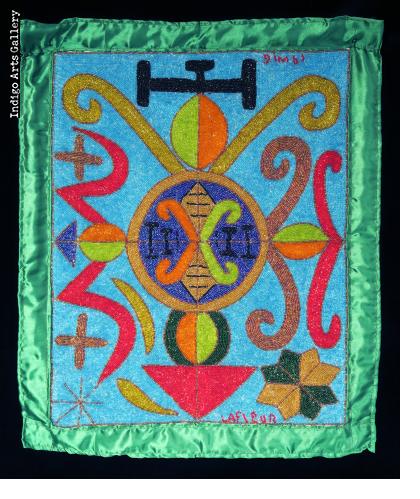
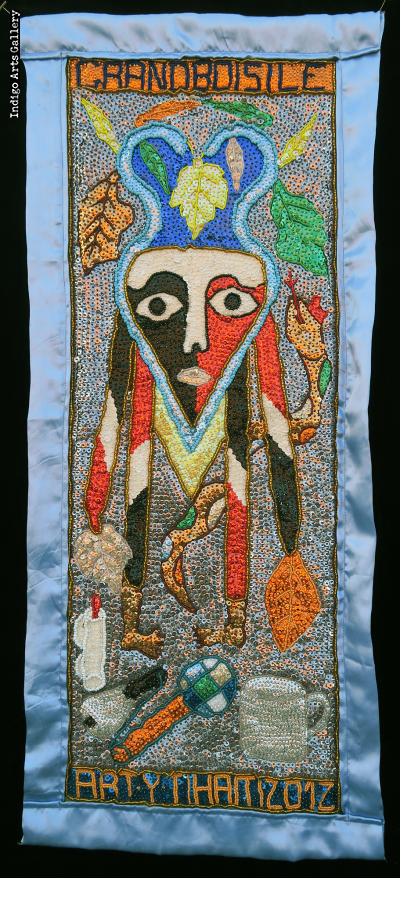
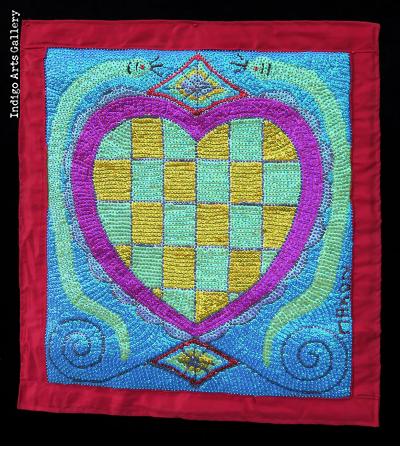
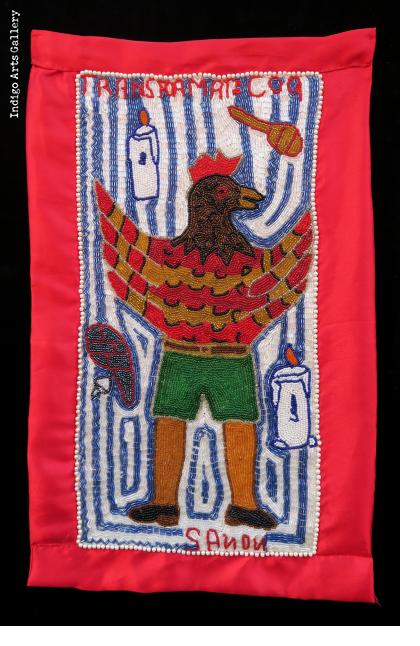
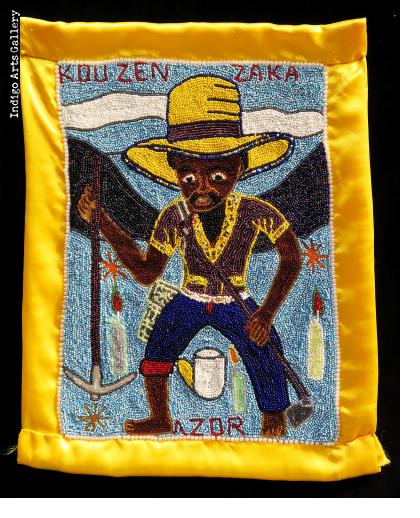
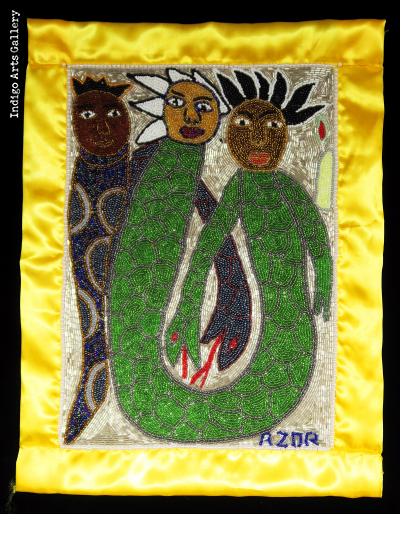
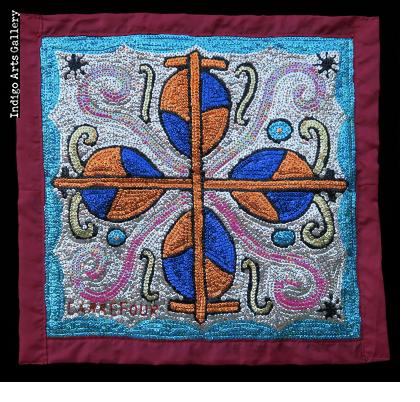
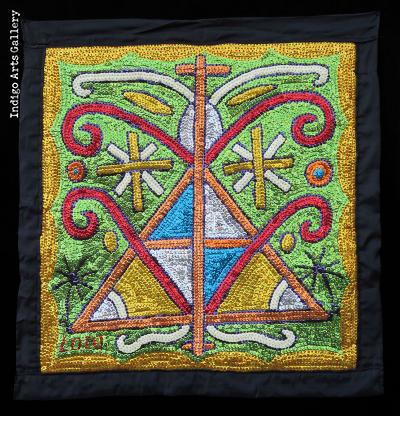
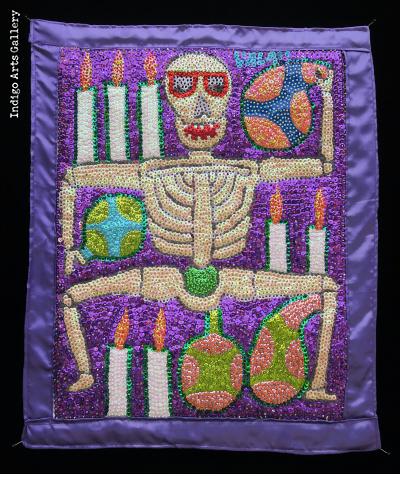
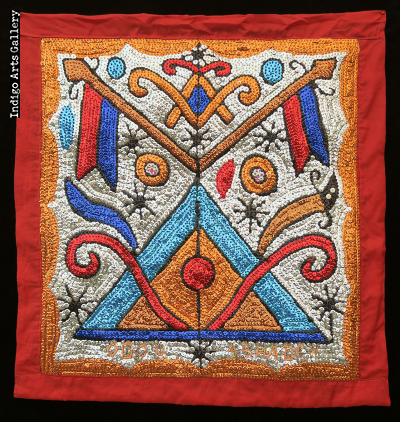
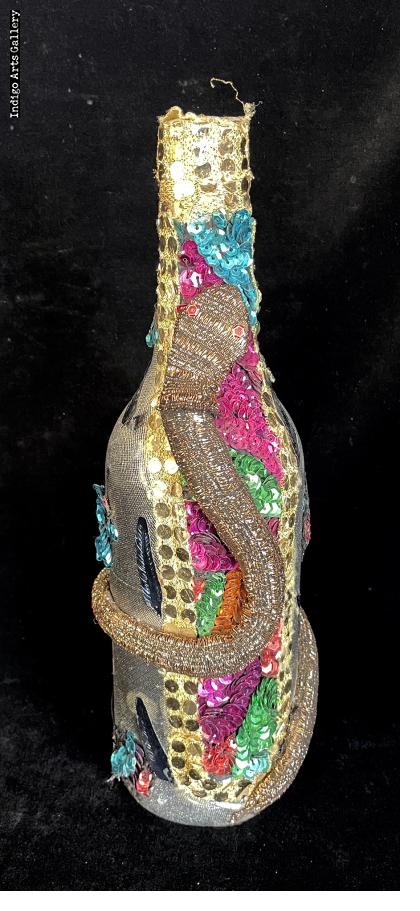
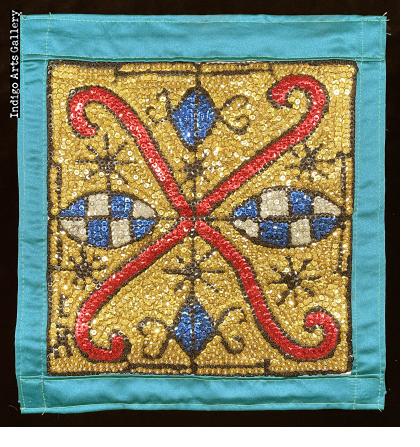
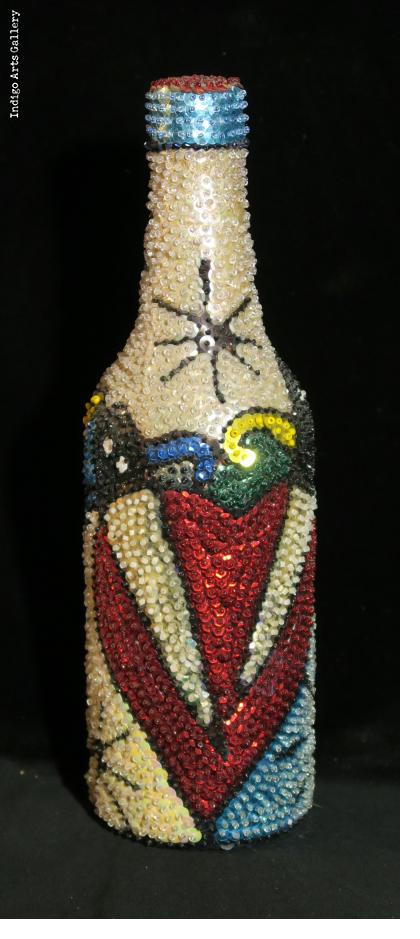
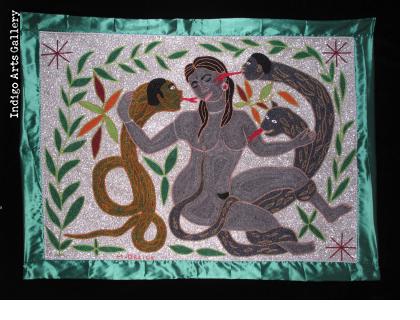
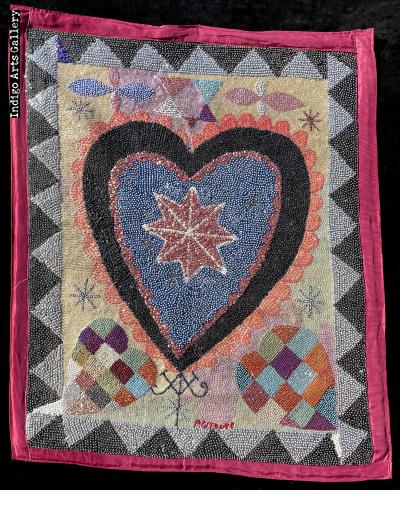
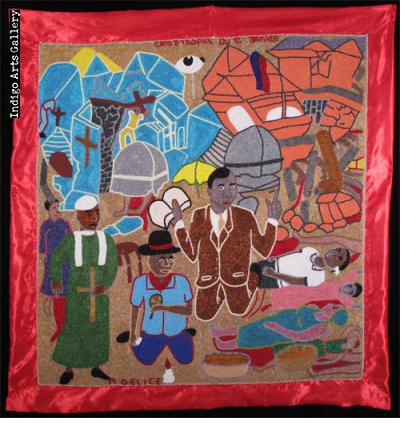
The 1980's brought the wider recognition of the art of the sequinned "voodoo flag" or vodou banner (dwapo in Kreyol). Previously regarded as a relatively obscure liturgical art it came into its own with such innovative artists as the late Antoine Oleyant and Josef Oldof Pierre. These and more traditional artists such as Clotaire Bazile, Sylva Joseph, and Yves Telemac were celebrated in the seminal 1995 touring exhibition The Sacred Arts of Haitan Vodou organized by UCLA's Fowler Museum of Cultural History. In the last decade the innovation has been led by woman sequin artists as Myrlande Constant and the late Amina Simeon.
1986 - The departure from Haiti of the dictator Jean-Claude Baby Doc" Duvalier which unleashed forces in Haitian art as well as society which have yet to settle down.
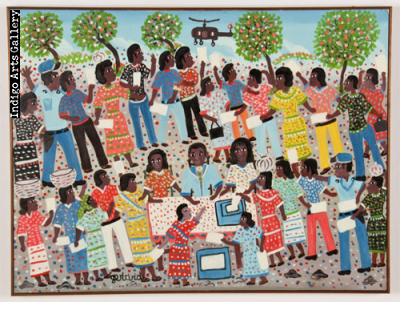
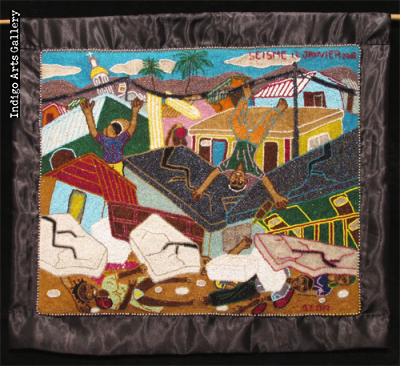
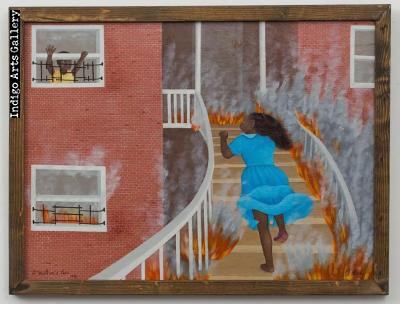
The 1990's brought the inspiring rise of slum priest Jean-Bertrand Aristide to the presidency in Haiti's first free election in 1991, followed by his overthrow by a military junta. His reinstallation by the US and the UN in 1994, and his recent ignominious fall are the latest chapters in this period of turmoil. The recent floods in Haiti and the Dominican Republic are only compounding the misery of many of the Haitian people.
|
 |


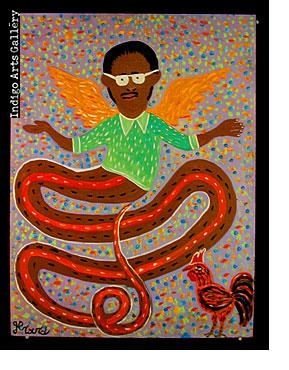
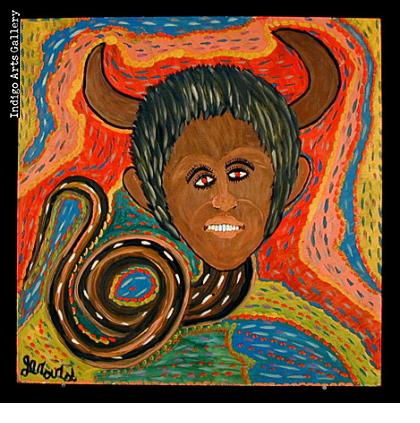
Damballah Titid - President Jean-Bertrand Aristide depicted as the vodou lwa (spirit) Damballah. Painted by Gerard Fortune in 1994 or 1995 when Aristide was returned to power by US/UN forces. |


Amid all the disturbing images in our world of late, one photograph in the May 5th, 2004 New York Times still stands out. The bleak caption was A woman in Fort Dimanche laying out biscuits to dry, biscuits made of butter, salt, water and dirt. The Haitians face shortages of food and electricity.
(photograph from New York Times, May 5, 2004) |
 |
|
|
It is our hope that in such times this selection of the art of Haiti will remind us that Haiti is not just a tragedy, though it surely is that. Haiti is also an inspiring people and a creative culture which have endured tremendous hardship and misfortune, not only to survive but to flower.
Other related events of note are:
The current exhibition The Haitian Revolution: Celebrating the First Black Republic at the African American Museum of Philadephia,
The Smithsonian Folklife Festival on the Mall in Washington, DC (from June 23rd through July 4th) which marks the bicentennial with Haiti: Freedom and Creativity: From the Mountains to the Sea.
The Winslow Anderson Haitian Collection at the Huntington Museum in Huntington, West Virginia from June 12th through September 9, 2004.
Indigo Arts has exhibited the arts of Haiti since 1987.
|
 |
|
|
 |


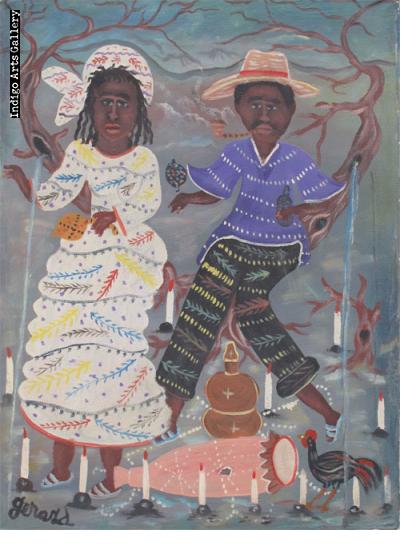
Dancing
Gerard Fortuné (Port-au-Prince, Haiti)
Oil on canvas (24x32), c. 1995
$650 (framed) |


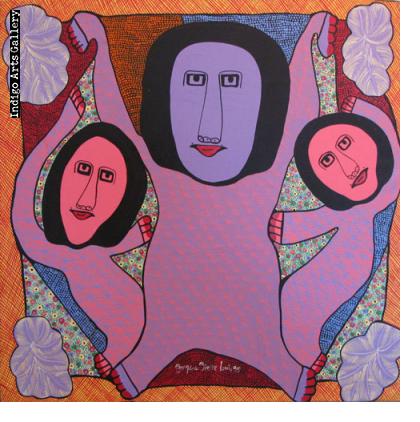
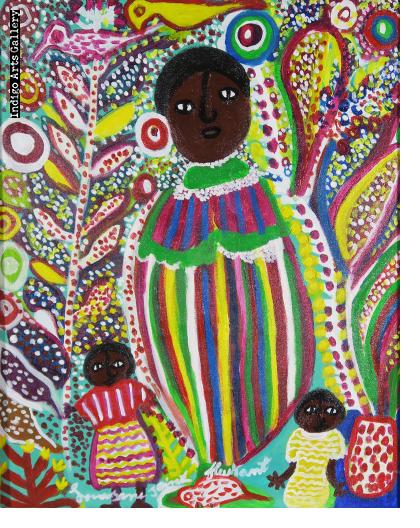
Mother's Day
Jean-Baptiste Jean (Cap Haitien, Haiti, b. 1953)
Acrylic on Canvas (36 x 30), c.1975
$1800 |
 |


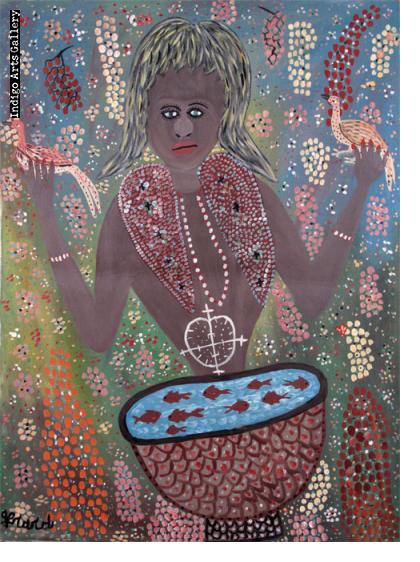
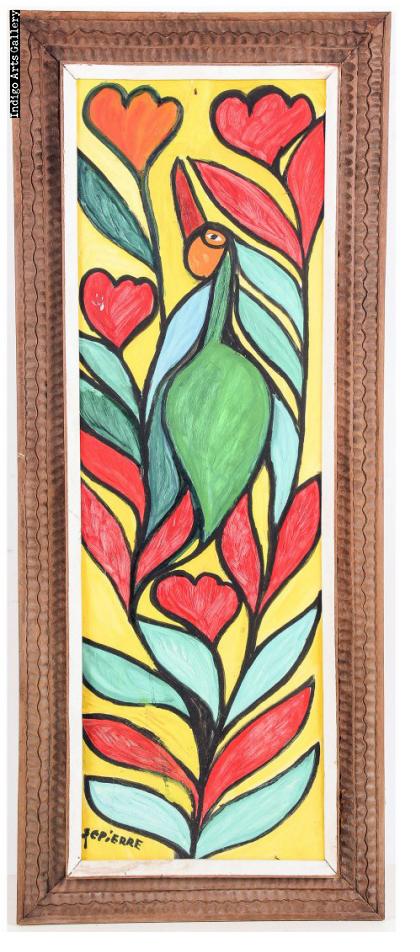
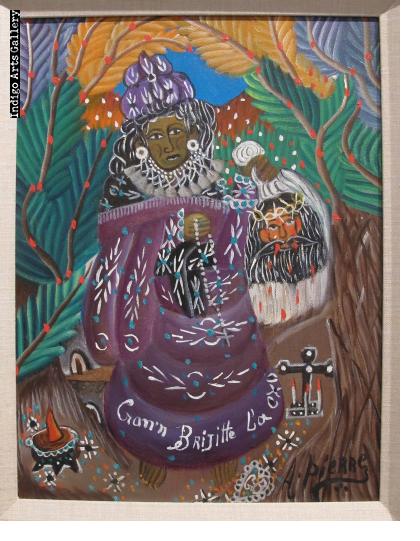
Elizabet
André Pierre (Haiti, b. 1914)
Oil on canvas (20 x 24), c. 1985
$5500 |


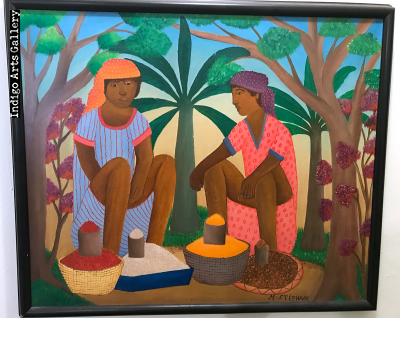
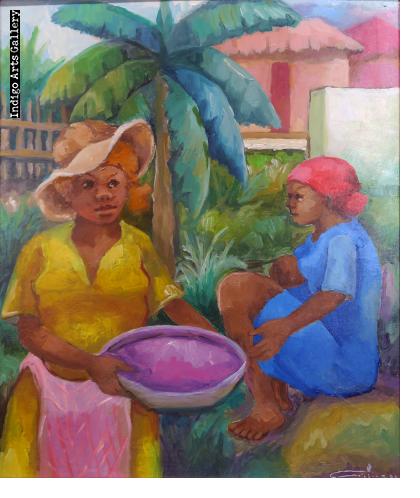
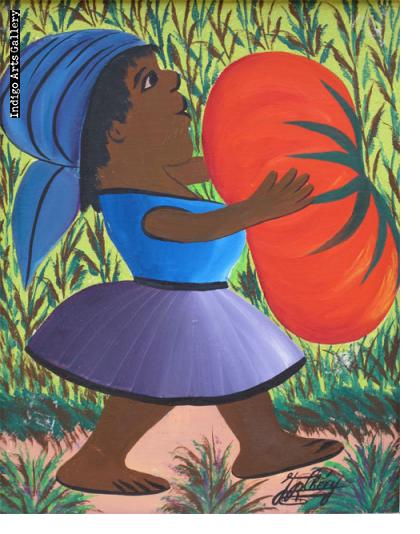
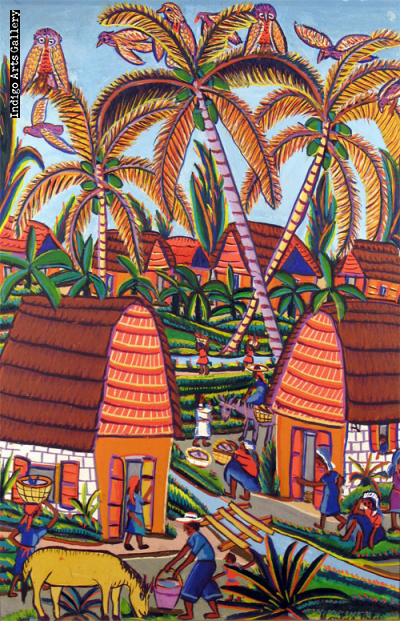
Farmers
Pierre-Joseph Valcin (Port-au-Prince, Haiti)
Oil on Canvas (32 x 24), c.1994
$1950 |
|


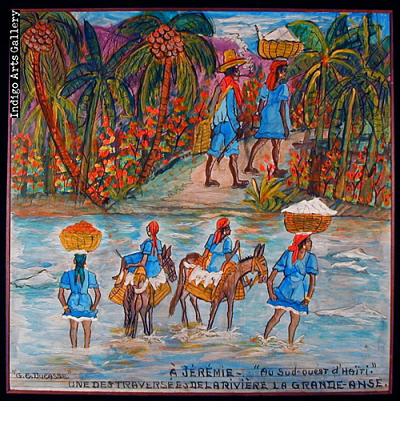
A Jeremie - "Au Sud-Ouest d'Haiti."
G. E. Ducasse (Haiti)
Oil on board (23 1/2 x 23 1/2), c. 1960's
|


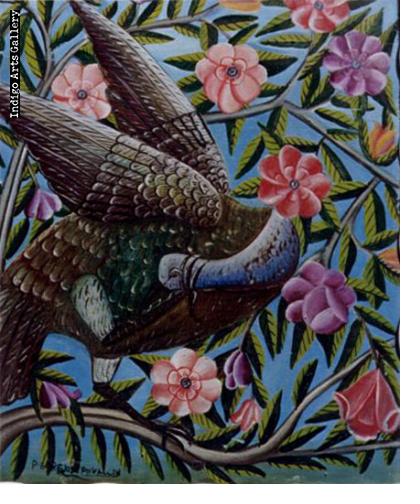
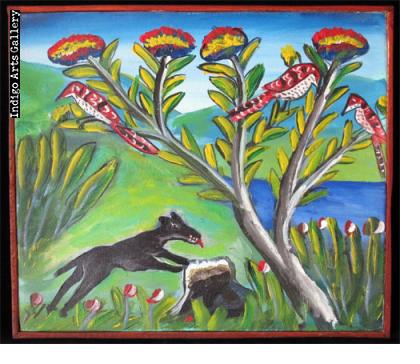
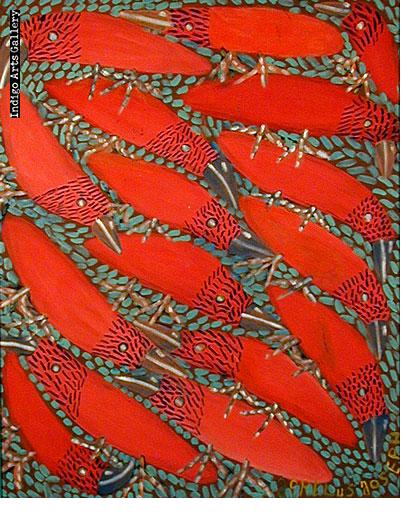
Red Birds
Jorelus Joseph (Port-au-Prince, Haiti)
Oil on Canvas (30 x 24), 1995
$595 (framed) SOLD 5/2004 |
 |
|


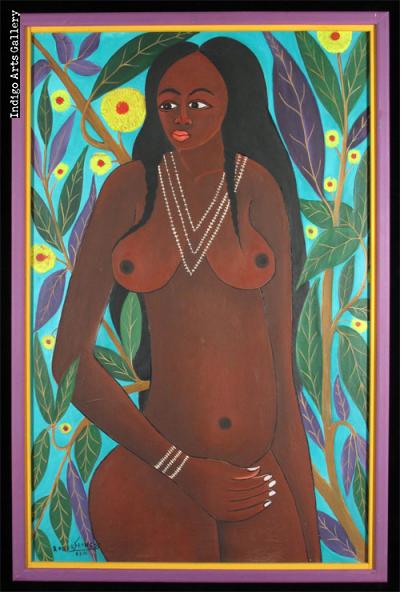
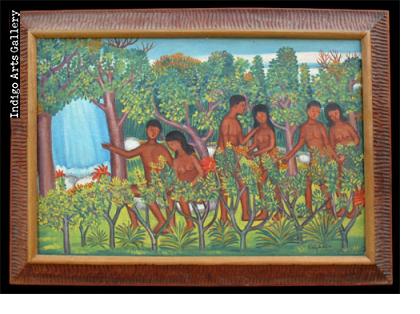
Amour
Gelin Buteau (Port-au-Prince, Haiti)
Acrylic on board (24 x 24), c.1995
Exhibited in the show "Error and Eros: Love Sacred and Profane" at the American Visionary Art Museum in 1998
$1500 (framed) SOLD 6/7/04 |


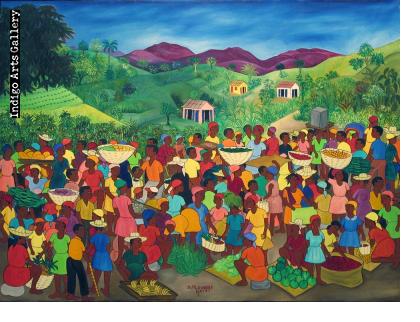
Iron Market
Jacksin Mesidor (Cap Haitien, Haiti)
Oil on canvas (24 x 30), c. 1980
$1200 (framed) |
 |
|


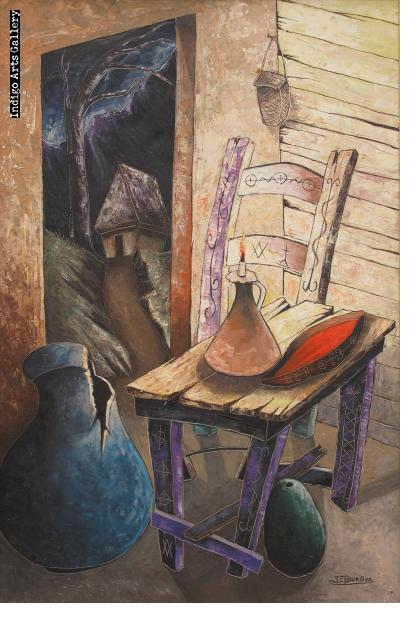
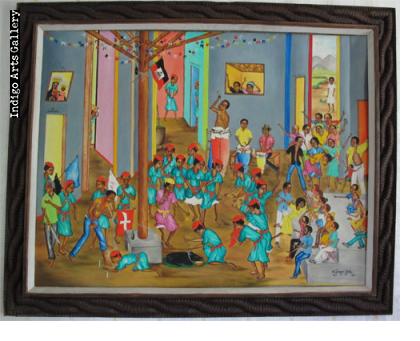
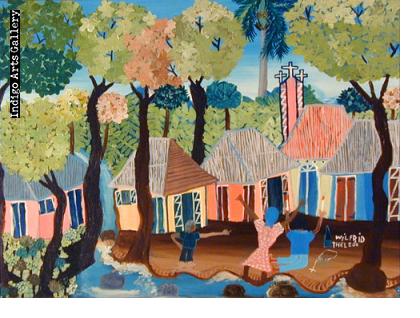
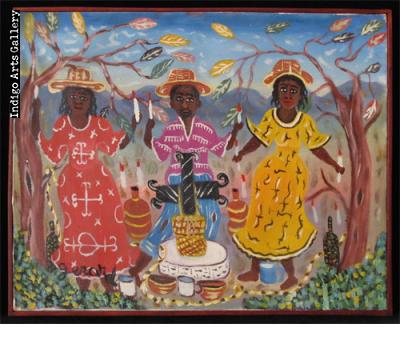
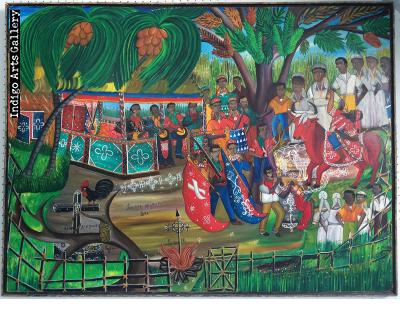
Ceremonie
Wilfrid Theleon (Haiti, 1958-1992)
Oil on board (12 x 16), c. 1980
$450 (framed) |


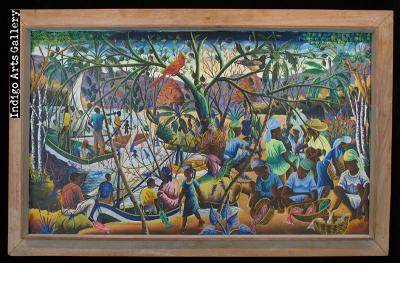
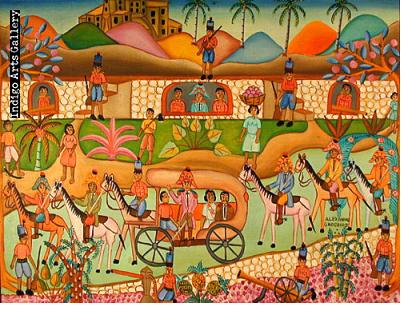
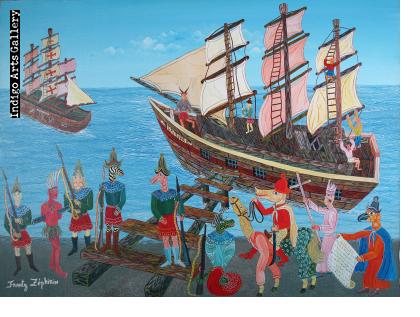
The Battle of le Cap
Alexandre Gregoire (Port-au-Prince, Haiti)
Oil on Canvas (24 x 30), c.1985
$1500 (framed)
|
 |
|


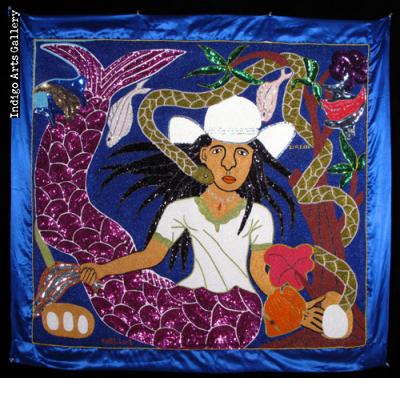
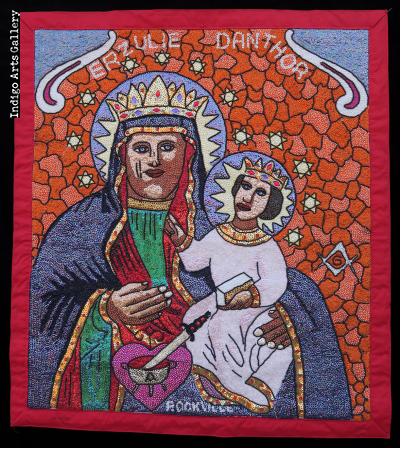
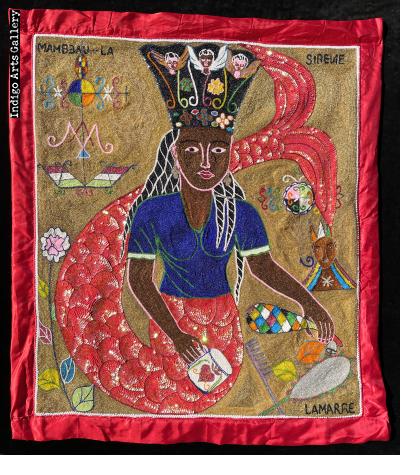
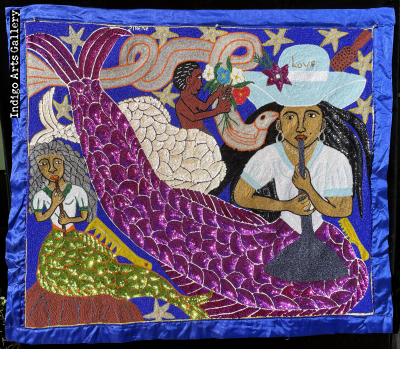
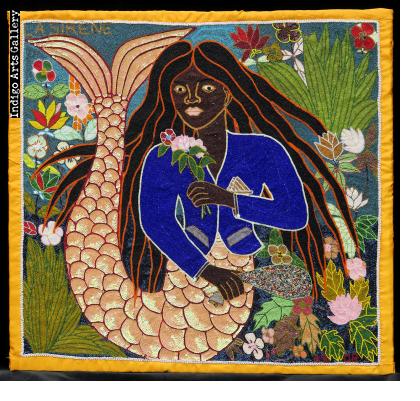
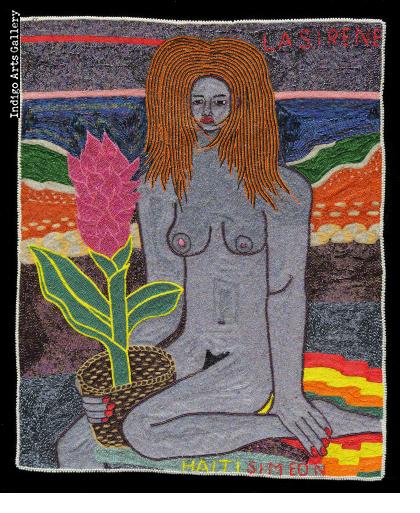
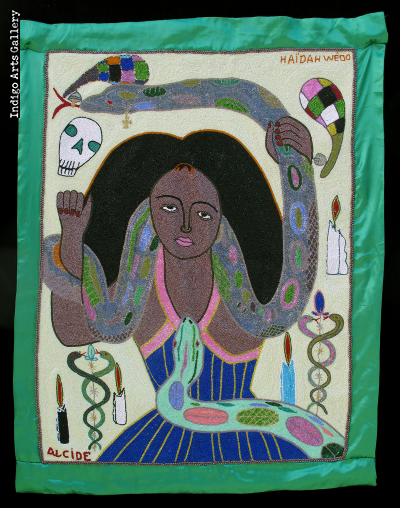
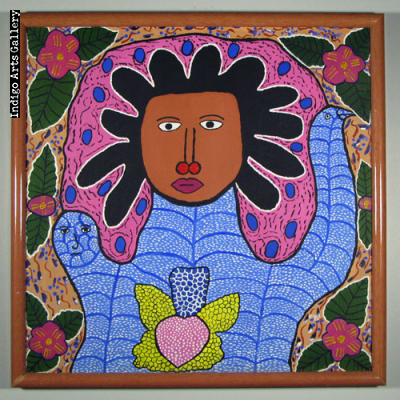
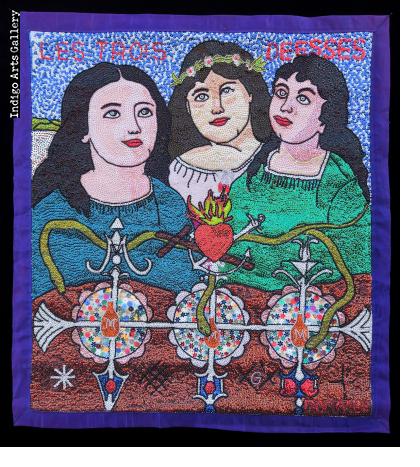
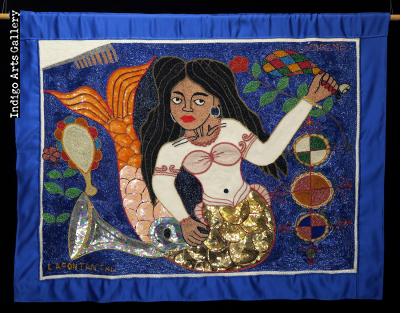
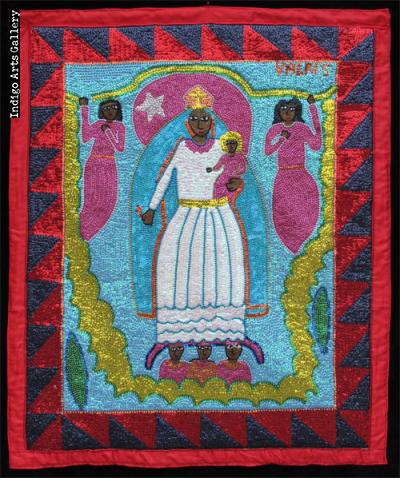
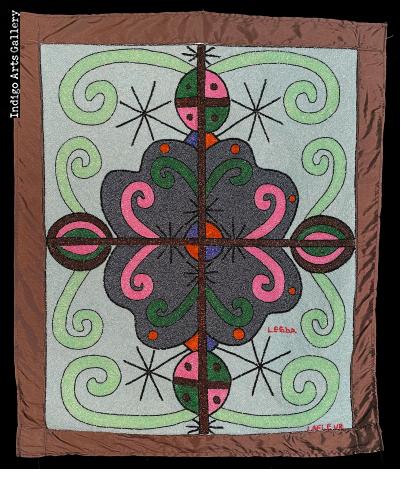
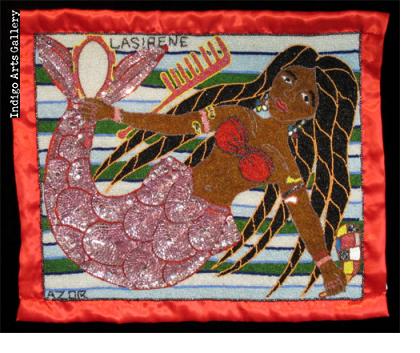
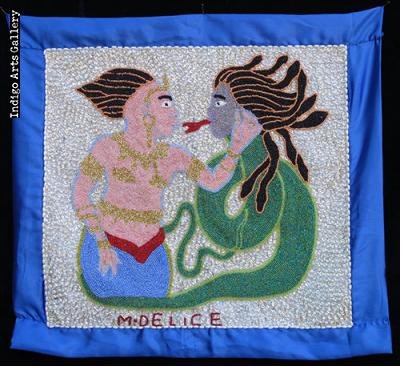
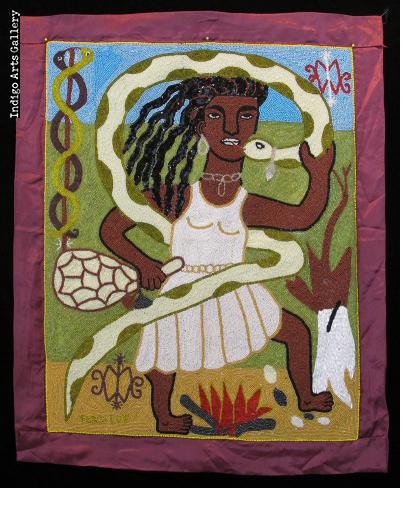
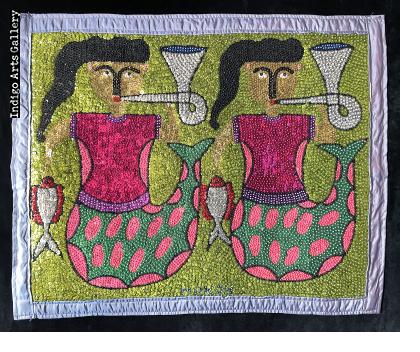
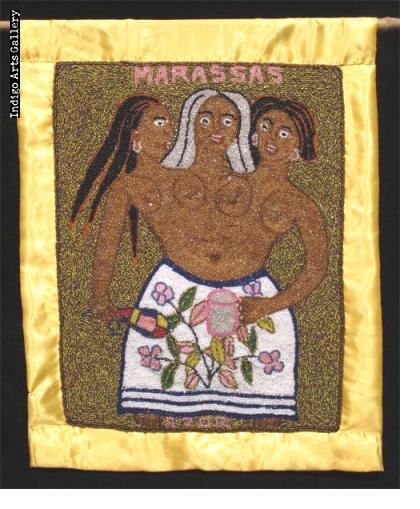
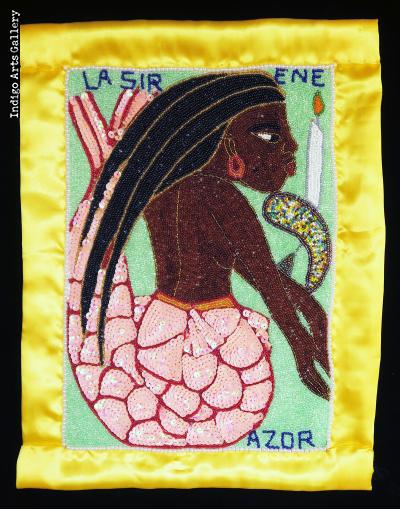
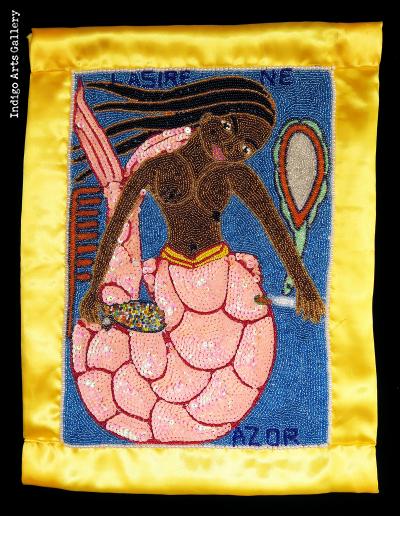
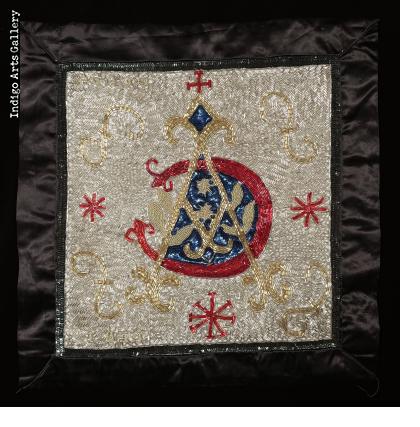
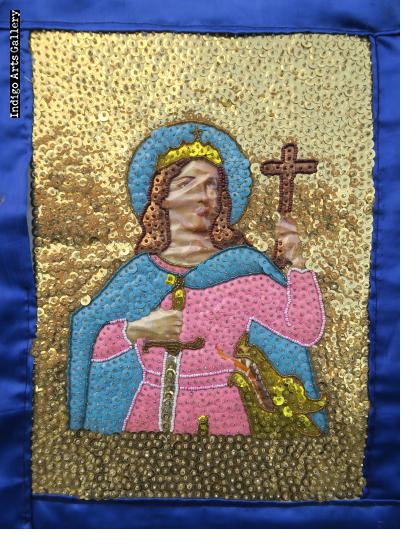
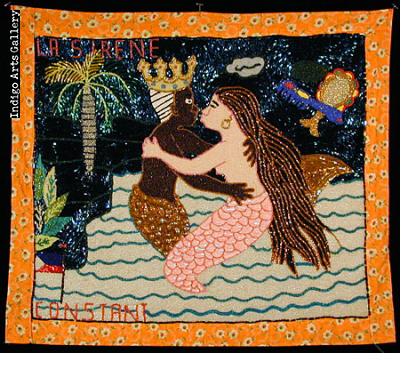
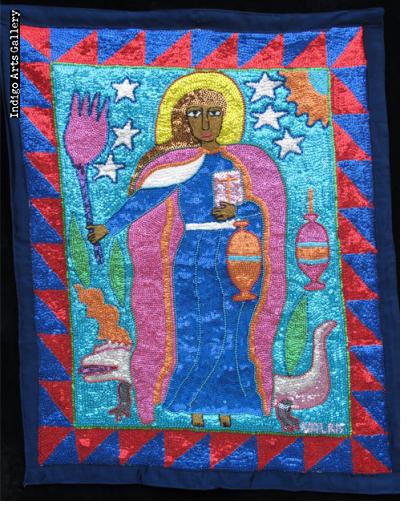
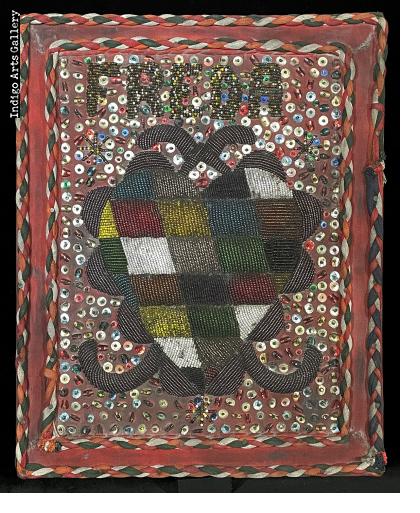
La Sirene Vodou Banner
Myrlande Constant (Port-au-Prince, Haiti)
Sequins and beads on fabric (27 1/2 x 31 1/2), c. 2001
$1200 SOLD |


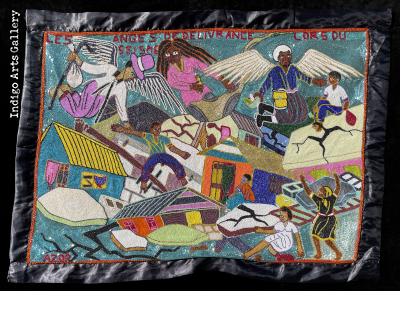
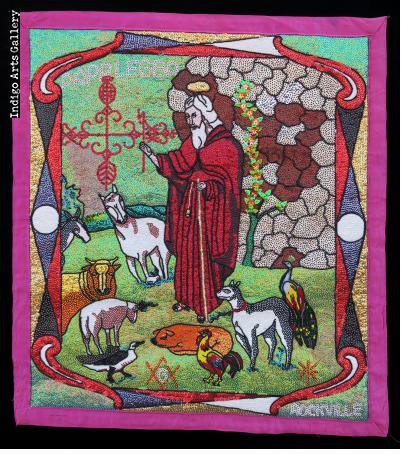
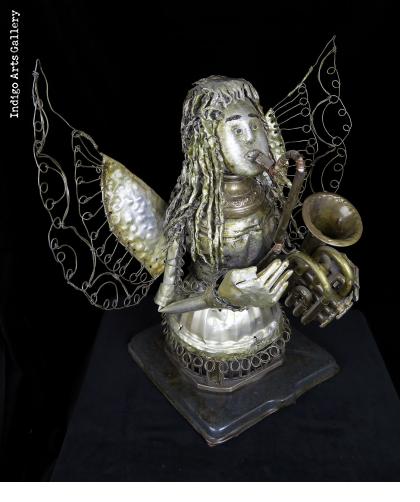
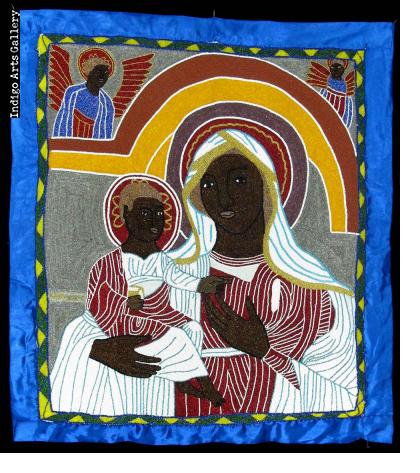
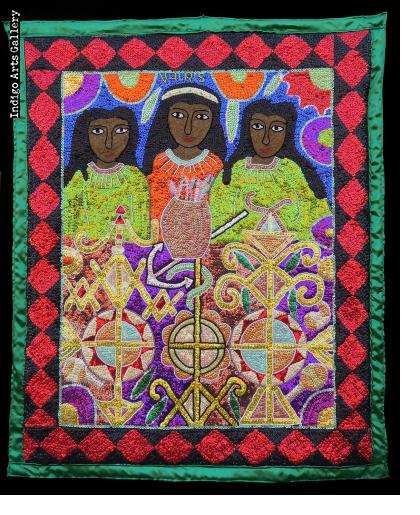
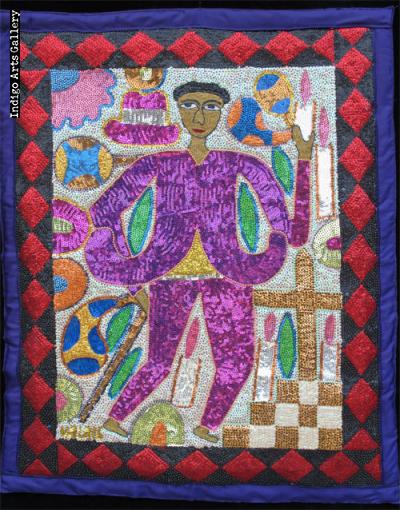
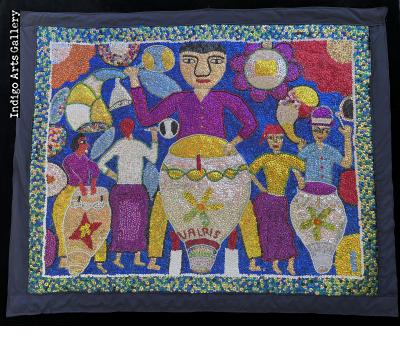
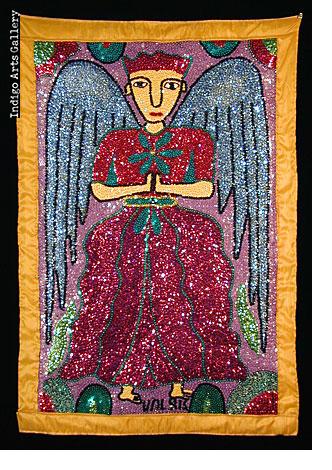
Angel Vodou Banner
George Valris (Port-au-Prince, Haiti)
Sequins and beads on fabric (35 x 24), c.2001
$625 |
 |
 |
| BACK TO MAIN NEWS PAGE |
|
|
|
 |
151 North 3rd Street Philadelphia, PA 19106
Phone: (215) 922-4041 Toll Free: (888) INDIART Fax: (215) 922-0895
E-Mail: indigofamily@indigoarts.com
All photographs and text Copyright Indigo Arts Gallery, Inc, 1998-2005. Use without permission prohibited. |
 |
|